ParcelVision
Can a Neighbor Build a Fence on the Property Line?
Short answer: yes, in most places your neighbor can build a fence right on the shared property line. But local ordinances, HOA rules, and setback requirements all factor in. A fence sitting exactly on the line is usually considered shared property — which means you might be on the hook for maintenance costs, too. Best move? Check your local rules and talk to your neighbor before anyone starts digging post holes.
So your neighbor just showed up with a truckload of fence posts and you're standing at your kitchen window thinking, "Can they actually do that?" You're not alone. Boundary fences are one of the most common triggers for neighbor disputes, and the rules aren't as simple as you'd hope.
General Rules About Boundary Fences
Here's the deal: there's no nationwide law that says your neighbor can't build a fence on the property line. The line is shared, and either side generally has the right to put up a fence along it. That said, your city, county, and state all get a say in how that plays out.
A fence that sits directly on the property line gets classified as a "boundary fence" or "partition fence." That label matters. It can mean both of you share ownership of the fence — and both of you share the obligation to maintain it. A fence built a foot inside your neighbor's yard? That's 100% their fence, their problem. But right on the line? Now it's a joint affair.
Local Ordinance Variations
Your city or county almost certainly has a fencing ordinance, and the specifics vary a lot from place to place. Here's what those rules typically cover:
- Height limits: Most places cap front-yard fences at 3 to 4 feet and backyard fences at 6 feet. Some will let you go up to 8 feet with a permit.
- Setback requirements: Some areas require fences to sit 6 inches or a foot back from the property line. If that's the case, the fence lands entirely on the builder's property — not on the shared boundary.
- Permits: Depending on fence height, materials, or where it's going, your neighbor might need a building permit first. No permit? That's a code violation you can report.
- HOA restrictions: Live in an HOA neighborhood? There could be rules about fence style, color, height, and placement that go beyond what the city requires.
Don't assume your neighbor is breaking the rules — or following them. Look up your local fencing ordinance. A quick call to your city's building or planning department will point you in the right direction.
Shared Fence Laws: Who Pays?
This is the question everyone really wants answered. Your neighbor wants a fence — do you have to help pay for it?
It depends entirely on where you live. In many places, the person who wants the fence pays for it. But once it's built on the boundary line, the other neighbor may become responsible for helping maintain it. Some states flip this around and require both neighbors to split the cost from the start, even if only one person wanted the fence.
If your neighbor comes to you about splitting costs, that's actually a good sign — they're trying to do this the right way. If you can't agree on who pays what, your local laws will settle it for you. Just know that "I didn't ask for a fence" doesn't always get you off the hook.
What Is a Spite Fence?
This one's fun. A spite fence is exactly what it sounds like — a fence built for no reason other than to tick off the neighbor. Think a 10-foot-tall solid wood wall blocking your kitchen window, built the day after a disagreement about the lawn mower.
Plenty of states and cities have laws against these. Courts have ordered spite fences torn down when the builder couldn't point to any legitimate purpose like privacy or security. If you think your neighbor's new fence is pure payback, look into your local spite fence ordinances. Many areas restrict fence height specifically to prevent this kind of thing, and fences that serve no reasonable purpose can be legally challenged.
Setback Requirements and Placement
Even where boundary fences are perfectly legal, setback rules can change where the fence actually ends up. A setback is the minimum distance a structure has to be from the property line. If your city requires a 6-inch fence setback, a fence built right on the line is technically a violation.
This distinction matters more than you'd think. A fence built 6 inches inside your neighbor's yard belongs entirely to them — they maintain it, they own it, they deal with it. A fence on the exact property line? That could be considered shared property. That difference can save you money or cost you money, depending on which side you're on.
What to Do Before Your Neighbor Builds
If your neighbor mentions fence plans — or if you spot survey flags popping up along your shared boundary — don't wait. Here's what to do:
- Talk to them. Ask what they're planning. What height? What material? Exactly where? Most fence disputes could be avoided with a 10-minute conversation.
- Look up local rules. Pull up your city or county's fencing ordinance so you know what's allowed and what isn't.
- Check HOA covenants. If you've got an HOA, there may be restrictions your neighbor hasn't considered.
- Confirm where the line is. Make sure you both agree on the actual property boundary. If there's any doubt, a professional survey removes the guesswork.
- Put agreements in writing. If you agree on placement, cost-sharing, or who handles maintenance — write it down and both sign it. It takes five minutes and can save you years of headaches.
What to Do If They Already Built It
Already too late for prevention? If a fence is up and you think it's on your property or violating local rules, you've still got options:
- Start with a conversation. Your neighbor might genuinely not know the fence is in the wrong spot. Give them a chance to make it right.
- Get a survey. If you can't agree on where the line is, hire a licensed surveyor. Their findings carry legal weight and give you hard evidence to work with.
- Report it to the building department. If the fence violates height limits, setbacks, or was built without a permit, the city can force your neighbor to fix it or remove it.
- Talk to an attorney. When your neighbor won't budge and the fence is clearly on your land, a property attorney can walk you through options like mediation or getting a court order.
Whatever you do, don't grab a chainsaw and tear it down yourself. Even if the fence is 100% on your property, taking it down without going through proper channels can land you in legal trouble. It's not fair, but that's how it works.
Why Knowing Your Property Line Matters
Almost every fence dispute comes down to the same thing: nobody knows exactly where the property line is. When both neighbors agree on the boundary, fence placement is easy. It's the uncertainty that causes fights.
And boundaries are more uncertain than most people realize. Iron pins get buried under decades of landscaping. Old fences that everyone assumed marked the line turn out to be three feet off. Without solid boundary information, even neighbors who get along fine can end up arguing.
A professional survey is the gold standard for establishing your property line. But you can also get a good general sense of your boundaries using county GIS maps, the legal description on your deed, or a boundary visualization app.
See Your Property Lines Before the Fence Goes Up
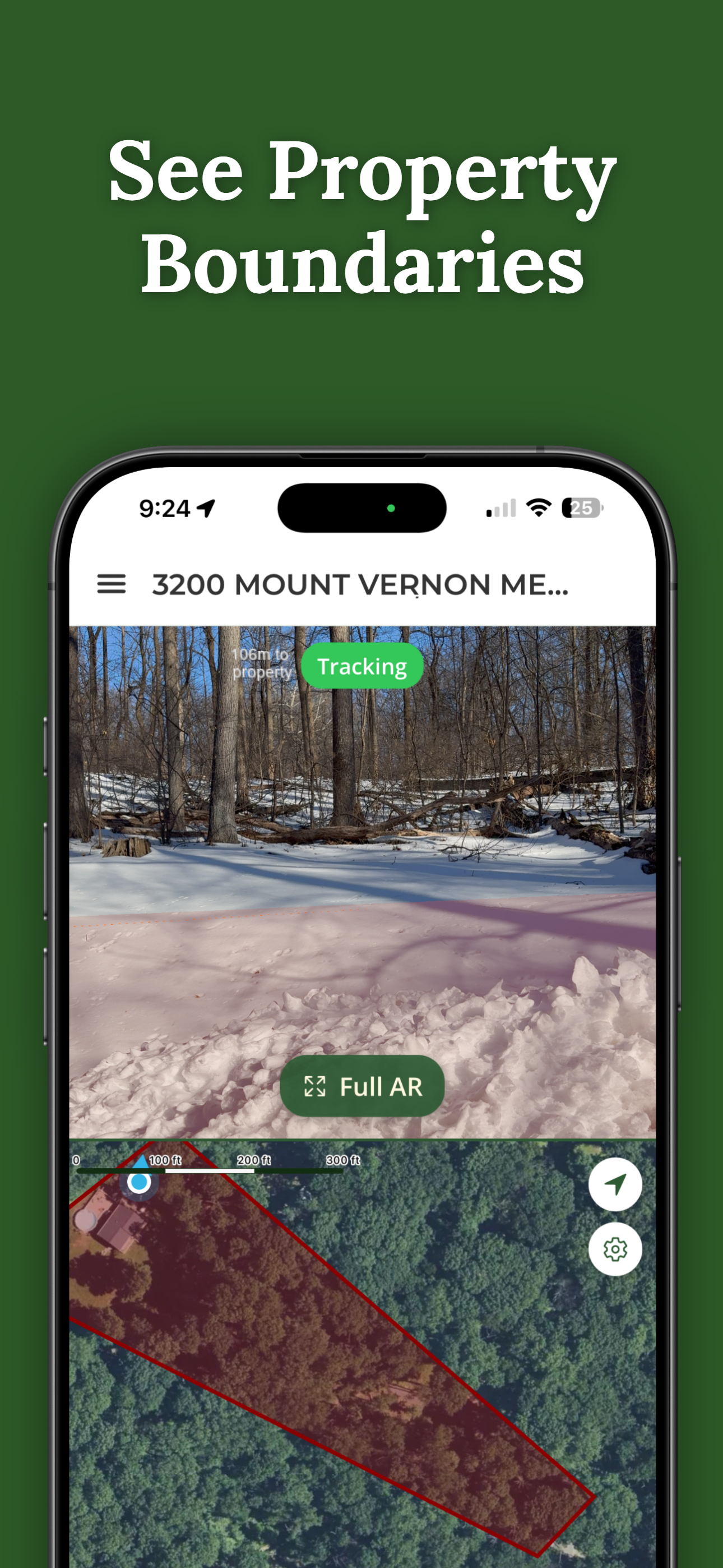
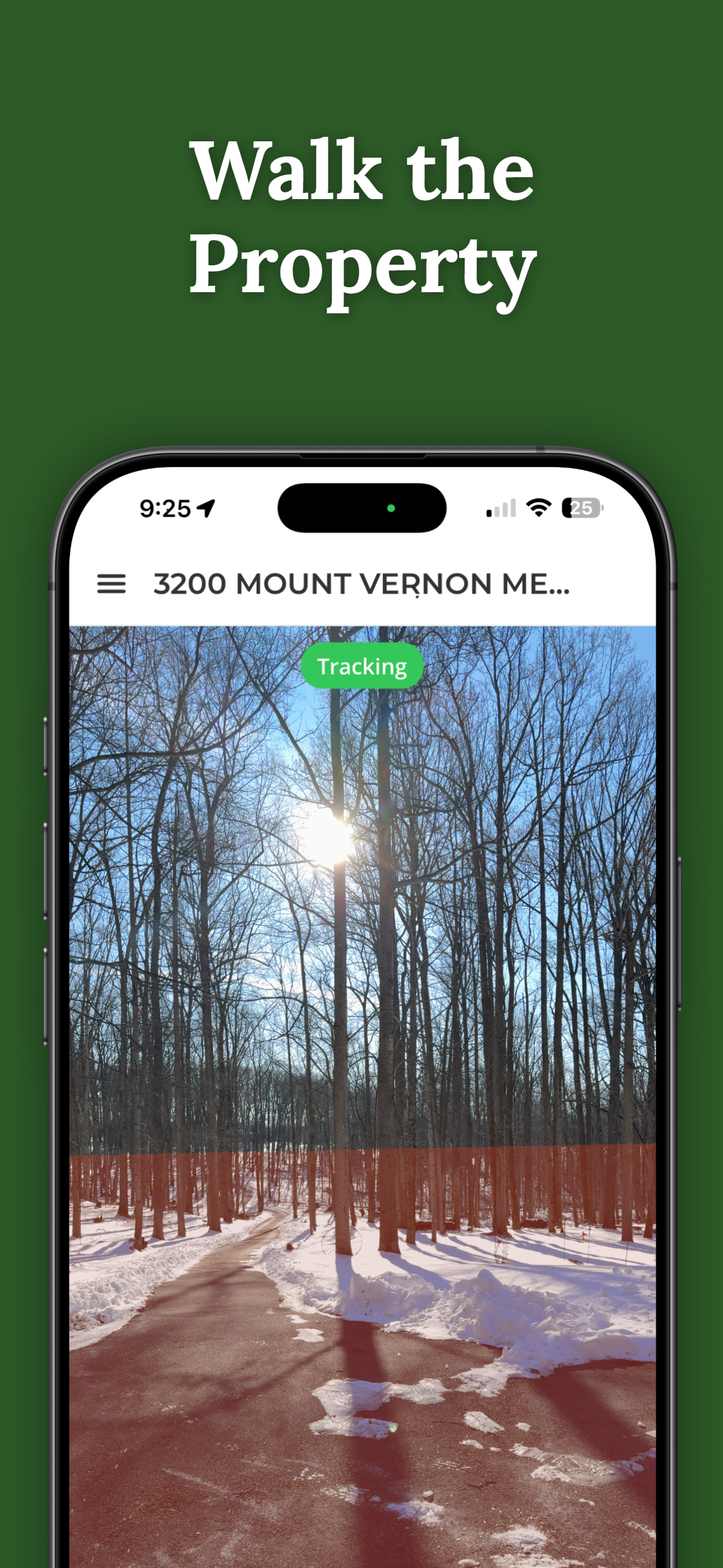
ParcelVision uses AR to overlay property boundaries right on your phone's camera view. Walk your boundary in real time and see exactly where your land ends and your neighbor's begins — no surveyor appointment needed.
Download ParcelVisionThis article is for informational purposes only and isn't legal advice. Fence laws and property line rules vary by jurisdiction. Talk to a licensed attorney or your local building department for guidance on your specific situation.