ParcelVision
What to Do When a Neighbor Builds on Your Property
First, get a professional survey to confirm the boundary. Then have an honest conversation with your neighbor — most encroachments happen by accident. If you can't work it out between yourselves, a real estate attorney can walk you through your legal options.
Finding out your neighbor's fence, shed, or driveway is sitting on your land is one of those situations that makes your stomach drop. You might feel angry, confused, or just plain blindsided. And that's completely normal — this is your property, and someone's using it.
But before you storm next door, take a breath. Most encroachments don't happen out of malice. They happen because property lines are invisible and people make assumptions. The vast majority of these situations get resolved without lawyers or courtrooms. The key is handling it in the right order.
Step 1: Confirm the Boundary Line
This is the most important step, and it has to come first. Before you say a word to your neighbor, make absolutely sure the structure is actually on your property. What looks like a clear encroachment from your side might not be one — and accusing someone based on a hunch can blow up a neighborly relationship for good.
Hire a licensed surveyor. They'll physically mark the property line with stakes or pins and hand you a certified document showing the exact boundary. Expect to pay somewhere between $300 and $800, depending on your area and how complicated the lot is. Yes, that's real money, but it's a fraction of what a legal dispute costs — and you'll need this document no matter how things play out.
You can also dig up your deed, plat map, and any surveys from when you bought the place. These help you understand where the line should be, but a fresh survey is always the strongest evidence.
Step 2: Talk to Your Neighbor
Once the survey confirms there's an encroachment, it's time to have the conversation. And yeah, it's awkward. But going in calm and factual makes all the difference. Lots of encroachments happen because someone assumed an old fence was the property line, or they eyeballed where their lot ended and got it wrong.
A few things to keep in mind:
- Bring a copy of the survey. Showing them the actual line takes the argument out of "I think" vs. "you think" territory.
- Focus on solving the problem, not winning the argument. Blame doesn't fix anything.
- Stay open to options. Tearing down the structure isn't the only solution, and it might not even be the best one.
- Whatever you agree on, put it in writing. Even a simple email chain is better than a handshake you can't prove later.
Common Resolutions
The right solution depends on what was built, how far over the line it goes, and how you and your neighbor feel about each other. Here are the typical paths:
- Removal — The neighbor takes the structure off your land. Clean and simple, but not always realistic — you can't exactly un-pour a concrete foundation.
- Boundary line agreement — You both agree to shift the legal boundary to match what's actually on the ground. This gets recorded with the county, making it official.
- Easement or license — You let the neighbor keep using that strip of your land, either permanently (easement) or on a temporary basis (license). This can be a smart compromise when removal doesn't make sense.
- Land purchase — The neighbor buys the strip they're encroaching on. This requires a new survey, a deed transfer, and recording — but it settles things permanently.
Legal Options If Talking Doesn't Work
Sometimes the neighborly approach doesn't get you anywhere. If your neighbor refuses to deal with it or you just can't reach an agreement, here's where things go:
- Demand letter — Your attorney sends a formal letter requiring the neighbor to remove the encroachment by a specific date. It's amazing how often a letter on legal letterhead gets people moving.
- Mediation — A neutral third party sits you both down and helps work out an agreement. It's cheaper and faster than court, and it works more often than you'd expect.
- Injunction — A court order forcing the neighbor to remove the structure. You'd need to file a lawsuit and show that the encroachment is causing you real harm.
- Damages — In some cases, you can get financial compensation for loss of use of your land instead of (or on top of) having the structure removed.
The Adverse Possession Risk
Here's why you don't want to sit on this. In most states, if someone uses your land openly and continuously for a certain number of years — usually 5 to 20 depending on the state — they can actually claim legal ownership of that piece of your property. It's called adverse possession, and yes, it's as infuriating as it sounds.
To protect yourself:
- Deal with encroachments as soon as you discover them. Don't put it off.
- If you let them keep using the land temporarily, document your objection in writing. A friendly "sure, keep it there for now" without anything on paper can come back to haunt you.
- Don't give informal verbal permission without a written agreement that makes clear you still own the land.
And here's the kicker — the clock usually starts when the encroachment begins, not when you notice it. That shed might have been on your land for years before you realized it. The sooner you act, the better your position.
Keep Records of Everything
Document everything from day one. Photograph the encroachment with timestamps. Save your survey. Keep copies of every email, text, and letter between you and your neighbor. If this ever ends up in front of a judge, a clear paper trail is worth its weight in gold.
How ParcelVision Helps
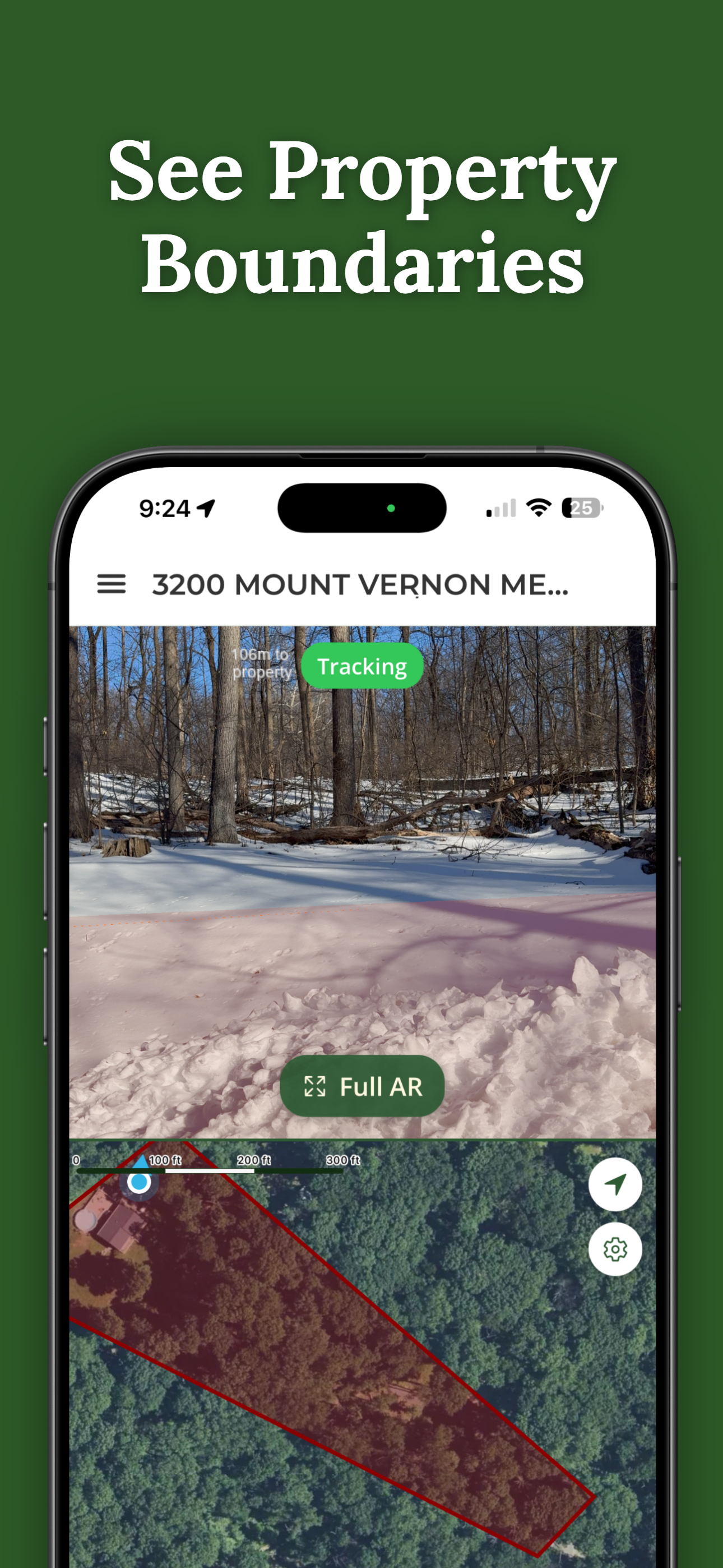
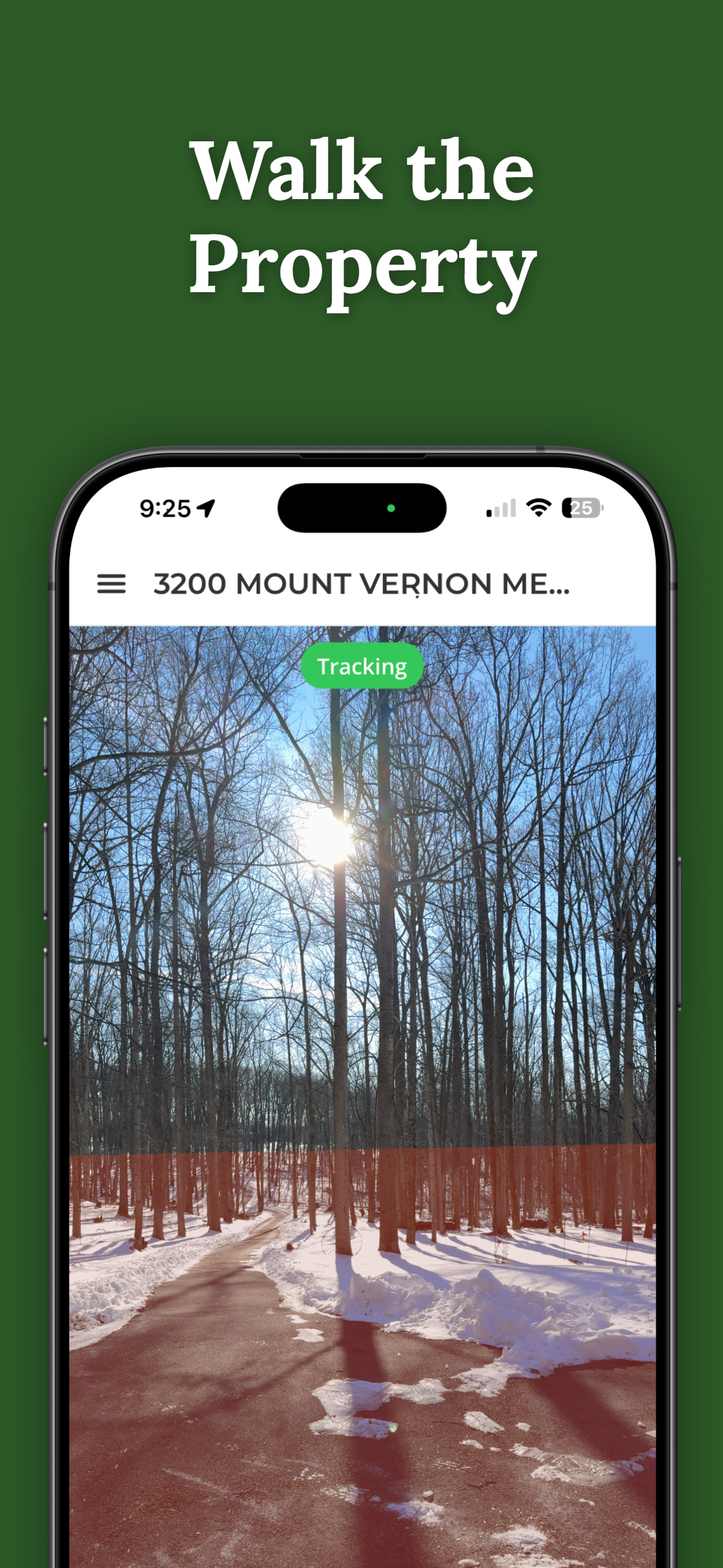
Think your neighbor's structure might be crossing the line? ParcelVision lets you point your iPhone at the property and see boundary lines in augmented reality — giving you an instant visual check before you invest in a full survey. It won't replace a surveyor, but it's a fast way to see if your gut feeling is right.
Download ParcelVisionThis article is for informational purposes only and isn't legal advice. If you're dealing with an encroachment or boundary dispute, talk to a licensed attorney in your area.