ParcelVision
Property Line vs. Fence Line: What's the Difference?
Quick answer: Your property line is a legal boundary defined by your deed and survey records. Your fence line is just where somebody put a fence. They're often not the same thing. Fences get built a few inches or even a few feet off the actual boundary all the time — and older fences can be way off.
Here's something that trips up a ton of homeowners: most people assume their fence IS their property line. It makes sense — the fence is right there, it's been there for years, so it must mark the edge of the property. Right?
Usually not. And that gap between where your fence sits and where your property actually ends can create some real headaches — especially when it's time to sell, build, or settle a disagreement with the folks next door.
What Is a Property Line?
Your property line is the legal boundary of your land. It was established when the land was originally subdivided, and it's documented in a few key places:
- Your deed. It contains a legal description that defines your boundaries — using metes and bounds, lot and block numbers, or other surveying language.
- Plat maps. These recorded maps show how lots in a subdivision are laid out, with dimensions and boundary lines.
- Survey records. A professional survey physically measures and marks those boundaries on the actual ground.
The tricky thing about property lines? They're invisible. You can't look at your yard and see them. They're legal constructs — coordinates, distances, and bearings living in public records. The only way to see them in the real world is to have a surveyor mark them or use a tool that overlays boundary data on a map or camera view.
What Is a Fence Line?
A fence line is just where a fence happens to be sitting. That's it. It doesn't carry any legal weight about who owns what. Your fence might follow the property line perfectly, sit three feet inside it, or miss it completely.
Fences are built by people, and people eyeball things, cut corners, and make decisions based on convenience. The fence line tells you where someone decided to put a fence. It doesn't tell you a thing about where your property legally ends.
Why Fence Lines and Property Lines Often Don't Match
This isn't a weird edge case — it happens constantly. Here's why:
- Intentional setbacks. Smart homeowners build their fence a few inches inside the boundary so the entire structure — posts, footings, everything — stays on their side. Some local codes actually require this.
- The contractor eyeballed it. Fence installers sometimes estimate where the line is rather than working from survey markers. If they're off by six inches, nobody notices — until someone does.
- Nobody got a survey. A lot of fences go up without one. The homeowner guesses based on the neighbor's fence, a tree line, or just a gut feeling. Over time, that guess becomes "fact."
- The terrain got in the way. Big rocks, trees, steep slopes — natural obstacles force fences to zig where the boundary zags. The fence follows the path of least resistance, not the legal line.
- The previous owners cut a deal. Maybe the last two neighbors agreed to put the fence somewhere convenient for both of them. Those informal agreements almost never get written down, and they evaporate when the property changes hands.
- The fence drifted over time. Every time a fence gets repaired, replaced, or adjusted during a landscaping project, it can shift a little. Twenty years of "a little" adds up.
The Adverse Possession Risk
This is the part where a misaligned fence gets really serious. In many states, if someone uses a strip of your land openly and continuously for long enough — typically 7 to 20 years, depending on the state — they can actually claim legal ownership of it. It's called adverse possession.
And a fence is basically Exhibit A in an adverse possession case. It creates a clear, visible enclosure. So if your neighbor's fence has been sitting three feet onto your property for the last 15 years, they've been mowing that strip, treating it as theirs — they might have a legitimate legal claim to it.
That's why this matters. If your fence and your property line don't match, ignoring the problem can literally cost you land.
How to Tell If Your Fence Is on the Property Line
Not sure if your fence is where it should be? Here's how to find out:
- Find your survey markers. Look for iron pins, rebar, or concrete monuments at the corners of your property. They were set during the original survey and might be buried a few inches under grass or soil. A cheap metal detector can find them in minutes.
- Pull up your plat map. Your county recorder or assessor's office has it — and many have it online. It shows lot dimensions and distances you can measure against where your fence actually sits.
- Read your deed. The legal description is dense and technical, but it may reference distances from known points that can help you judge fence placement. Even a rough check is better than guessing.
- Use a property line app. Apps that overlay parcel data on a map or camera view can show you the general lay of the land. They're great for spotting obvious problems — like a fence that's clearly several feet off — even though they're not precise enough for exact measurements.
- Hire a surveyor. This is the definitive answer. A licensed surveyor will locate your boundaries and tell you exactly how your fence relates to them. If this ever goes to court, a survey is the only evidence that counts.
Compare Your Fence to Your Property Line
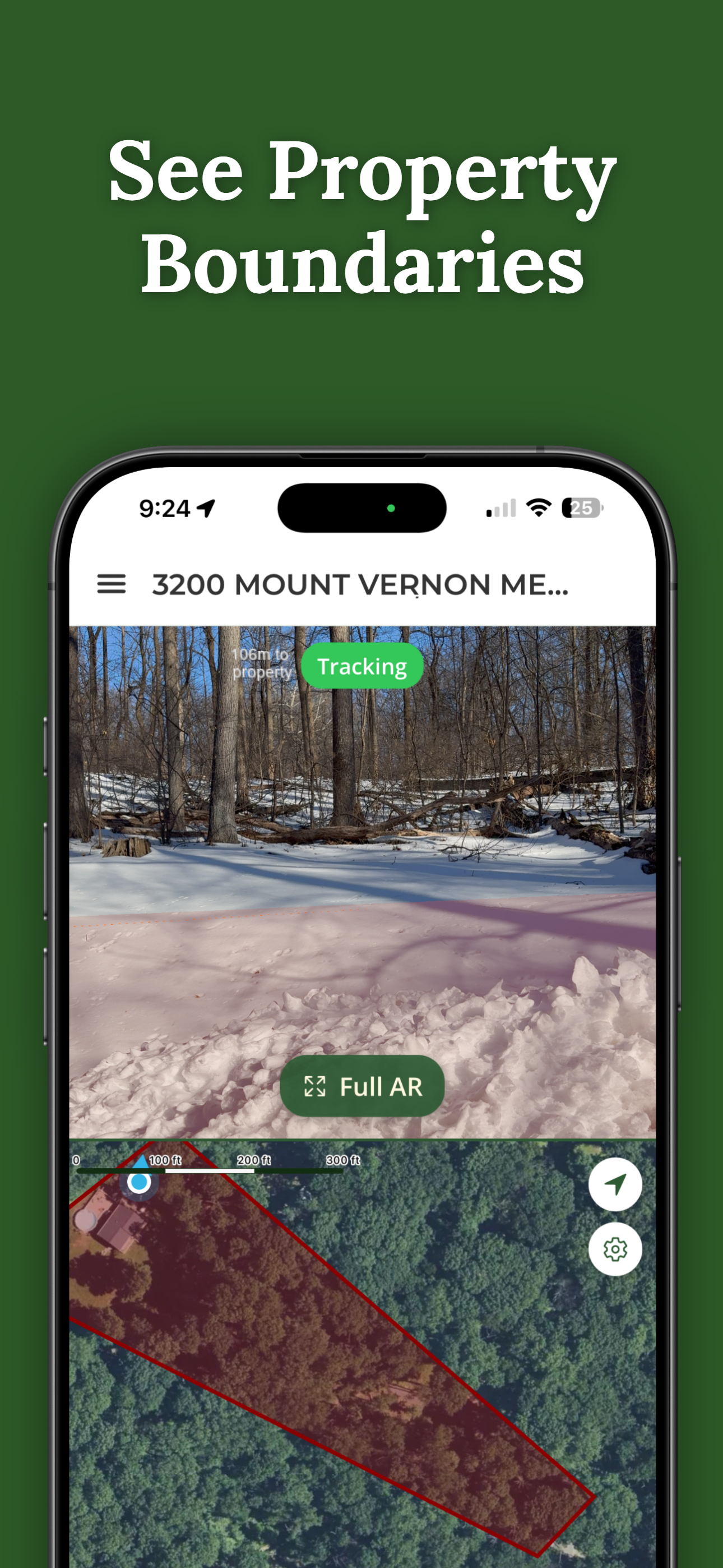
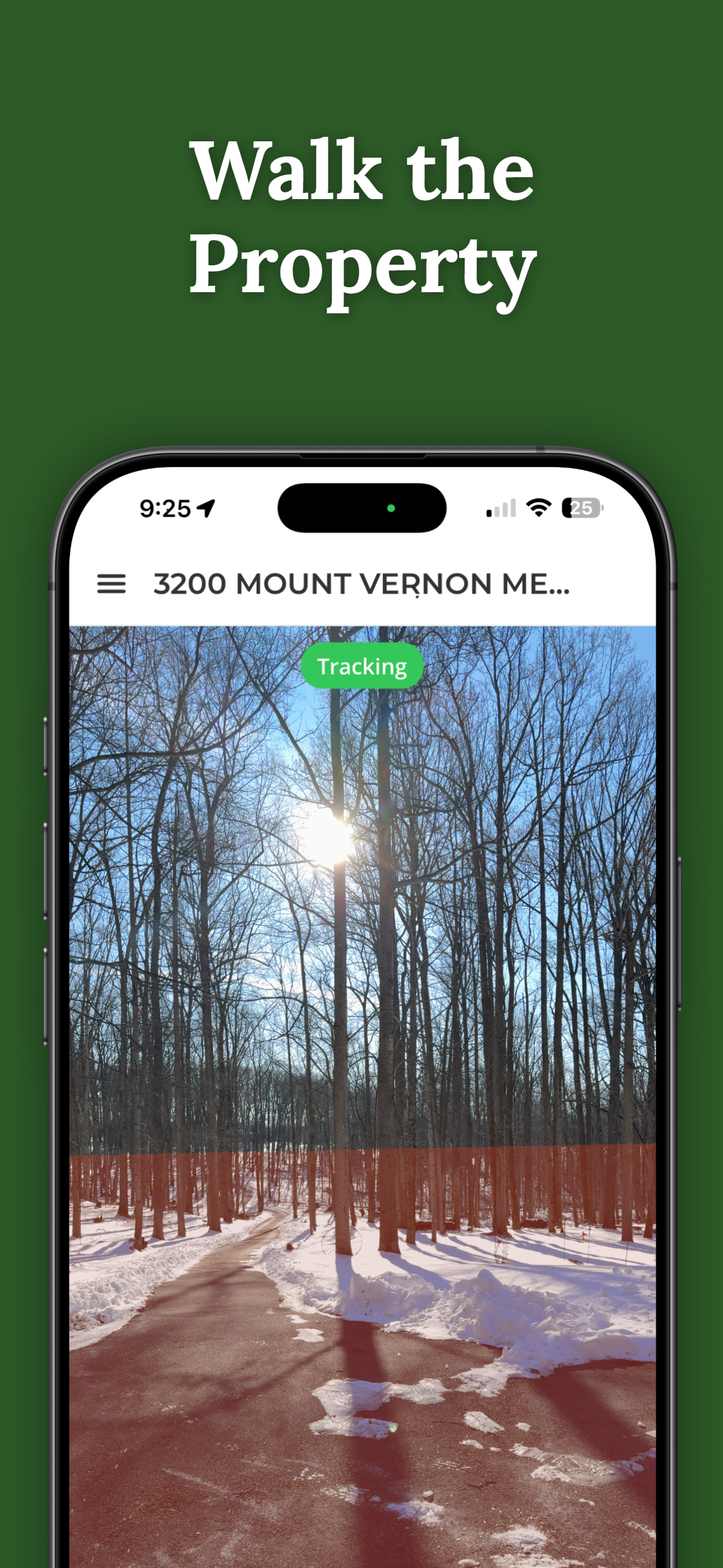
ParcelVision overlays property boundary lines on your phone's camera using AR. Walk along your fence and see in real time whether it follows your actual boundary or wanders off. It's the fastest way to spot a potential problem before it becomes an expensive one.
Download ParcelVisionWhat to Do If Your Fence and Property Line Don't Match
Don't panic — this is more common than you'd think. You've got options:
- Have a conversation. If the gap is small and you get along with your neighbor, a simple talk might be all you need. If you agree the fence can stay put, get that agreement in writing.
- Move the fence. If the fence is on your neighbor's land, the cleanest fix is relocating it. It kills any adverse possession risk and settles the boundary question for good.
- Sign a boundary agreement. Some states let neighbors sign a formal agreement that acknowledges where the fence sits relative to the legal line. An attorney can draft one. This protects both of you even if the fence doesn't move.
- Fix it when you replace it. If the fence is getting old anyway, that's your chance. Get a survey, build the new fence in the right spot, and close the book on the issue.
Before You Replace an Existing Fence
If you're about to replace a fence, don't just tear out the old one and put the new one in the same spot. This is the ideal moment to check your property lines. A new fence is a big investment, and putting it in the wrong place just recreates the same problem.
Find your survey markers or hire a surveyor before you build. If the old fence was off, your new fence should go in the right place — even if that shifts the line a few inches or a few feet from where it used to be. Give your neighbor a heads-up beforehand. Explain why the new fence isn't following the old path. Most people take that well when you explain the reasoning.
The Bottom Line
- A fence is just a fence. It doesn't tell you where your property ends — your deed and survey do.
- Fences wander off the property line all the time, for lots of reasons — setbacks, sloppy installation, informal deals between neighbors, repairs that shifted things.
- A fence that's been in the wrong spot long enough can lead to adverse possession issues.
- Only a professional survey can tell you definitively where your boundary is.
- If you find a mismatch, deal with it — don't just hope it goes away.
This article is for informational purposes only and isn't legal advice. Property line laws, adverse possession rules, and fence regulations vary by state and municipality. Talk to a licensed surveyor and a local attorney for guidance specific to your situation.