ParcelVision
What Is Adverse Possession?
Yes, someone can legally take ownership of your land — without buying it, without your permission, and sometimes without you even noticing. It's called adverse possession, and it kicks in when someone uses your property openly and continuously for a certain number of years (usually 5 to 20, depending on your state). The best defense is knowing your boundaries and catching encroachments early.
Here's a scenario that plays out more often than you'd think: your neighbor installs a fence. It's a few feet onto your property, but you don't say anything. Fifteen years later, that strip of land? It might legally be theirs now. That's adverse possession — and it's been part of American property law for centuries. Sounds outrageous, but it's real, it's enforceable, and it happens to people who aren't paying attention.
The Legal Requirements for Adverse Possession
Someone can't just wander onto your land and claim it. They have to meet a specific set of legal requirements — and they have to meet all of them, at the same time, for the entire statutory period. Miss one, and the claim falls apart. Here's what courts look for:
- Open and notorious: The use has to be visible and obvious. No sneaking around. If the actual owner walked the property, they'd see someone else using it. Secret nighttime trespassing doesn't count.
- Continuous: The person has to use the land steadily for the full required period. Showing up once a year to mow a strip of grass probably won't cut it. The use needs to look like what a normal owner would do with that type of land.
- Exclusive: They have to treat the land as if it's theirs alone. Sharing it with the public — or with the actual owner — kills this element. They need to act like the sole owner.
- Hostile: Sounds aggressive, but in legal terms it just means "without the owner's permission." If you told your neighbor they could use that strip of land, the clock never starts. Even casual, verbal permission is enough to prevent a claim.
- For the statutory period: All of the above has to continue uninterrupted for however many years your state requires. If the person stops using the land — even briefly — the clock resets to zero.
Every single one of these has to be true, simultaneously, for the full time period. One gap, one break in use, one instance of the owner granting permission — and the whole claim collapses.
State-by-State Variation in Time Periods
How long does someone have to squat on your land before they can claim it? That depends entirely on your state. The range is pretty wide:
- 5 to 7 years: A handful of states set a low bar, though they often require the claimant to have been paying property taxes on the land during that time.
- 10 to 12 years: The most common range. A lot of states fall right in this window.
- 15 to 20 years: Some states make it much harder by requiring a longer period of continuous use.
There's another wrinkle: some states have a shorter time period if the person has "color of title" — meaning they've got some kind of document (even a flawed one) suggesting they own the land. Without that paperwork, they'll usually need to wait longer.
Common Adverse Possession Scenarios
Nobody wakes up and decides to steal their neighbor's land through adverse possession. Most cases start with something totally mundane that nobody thinks twice about — until 15 years have passed.
The classic: a fence in the wrong spot. Your neighbor puts up a fence that extends three feet onto your property. They mow the grass on their side, plant some shrubs, maybe put in a garden bed. Years go by. They've been treating that strip as theirs the whole time. Eventually, they might have a legal right to it.
The over-enthusiastic neighbor. Your neighbor regularly mows, gardens, or maintains a section of your yard. Maybe they think it's theirs, maybe they're just being "helpful." If it goes on for years and you never object, that consistent maintenance — done openly and without your permission — can build toward an adverse possession claim.
Structures that wander over the line. A shed that's two feet onto your property. A driveway extension that crosses the boundary. If you don't address it and the structure sits there for the full statutory period, the encroaching neighbor may gain a legal claim to that land.
Land with absent owners. If you own vacant land or live far from a property you own, you're especially vulnerable. Nobody's watching, so neighbors or other parties start using the edges of your lot. By the time you visit again, the clock might already be running — or it might have already run out.
How to Prevent Adverse Possession
Adverse possession is shockingly easy to prevent. You just have to pay attention. Here's your playbook:
- Know where your lines are. This is the big one. If you know exactly where your property starts and ends, you'll catch encroachments before they become a problem.
- Walk your boundaries regularly. Especially if you own rural or vacant land. Look for new fences, garden plots, mowed areas, or structures that weren't there before.
- Give written permission. This sounds backwards, but it works. If your neighbor is using a strip of your land and you don't mind, give them a signed letter saying so. That written permission destroys the "hostile" requirement and makes adverse possession impossible.
- Post "No Trespassing" signs. Signs alone won't stop an adverse possession claim, but they show you're actively asserting ownership — which strengthens your position if a dispute ever comes up.
- Act fast when you spot encroachments. Don't let it slide. A conversation, a written notice, or legal action — any of these stops the adverse possession clock. The longer you wait, the harder it gets.
- Stay current on your property taxes. In some states, property tax payments factor into adverse possession claims. Don't give anyone extra ammunition by falling behind.
How to Claim Adverse Possession
On the flip side, there are situations where adverse possession claims are genuinely fair. Maybe you've maintained a piece of land for 20 years thinking it was yours. Maybe there was a survey error decades ago and you've been treating a strip of your neighbor's property as your own since before you even bought the house.
Filing a claim means going to court. You'll need to prove that every legal requirement was met for the full statutory period — which typically means testimony, photos, maintenance records, and sometimes proof that you paid taxes on the land. This isn't a DIY project. You'll need a real estate attorney who handles property disputes.
Practical Implications for Property Owners
This isn't some dusty legal theory that only matters in law school. Adverse possession affects real people every year. A fence in the wrong spot. A garden that creeps across the boundary. A neighbor who starts parking their trailer on the unused corner of your lot. If you don't respond, the clock starts ticking.
The fix is simple: know your property lines and check on your land once in a while. It costs you almost nothing in time and can save you from losing actual land — which is about as expensive a lesson as there is.
Know Your Boundaries Before Someone Else Claims Them
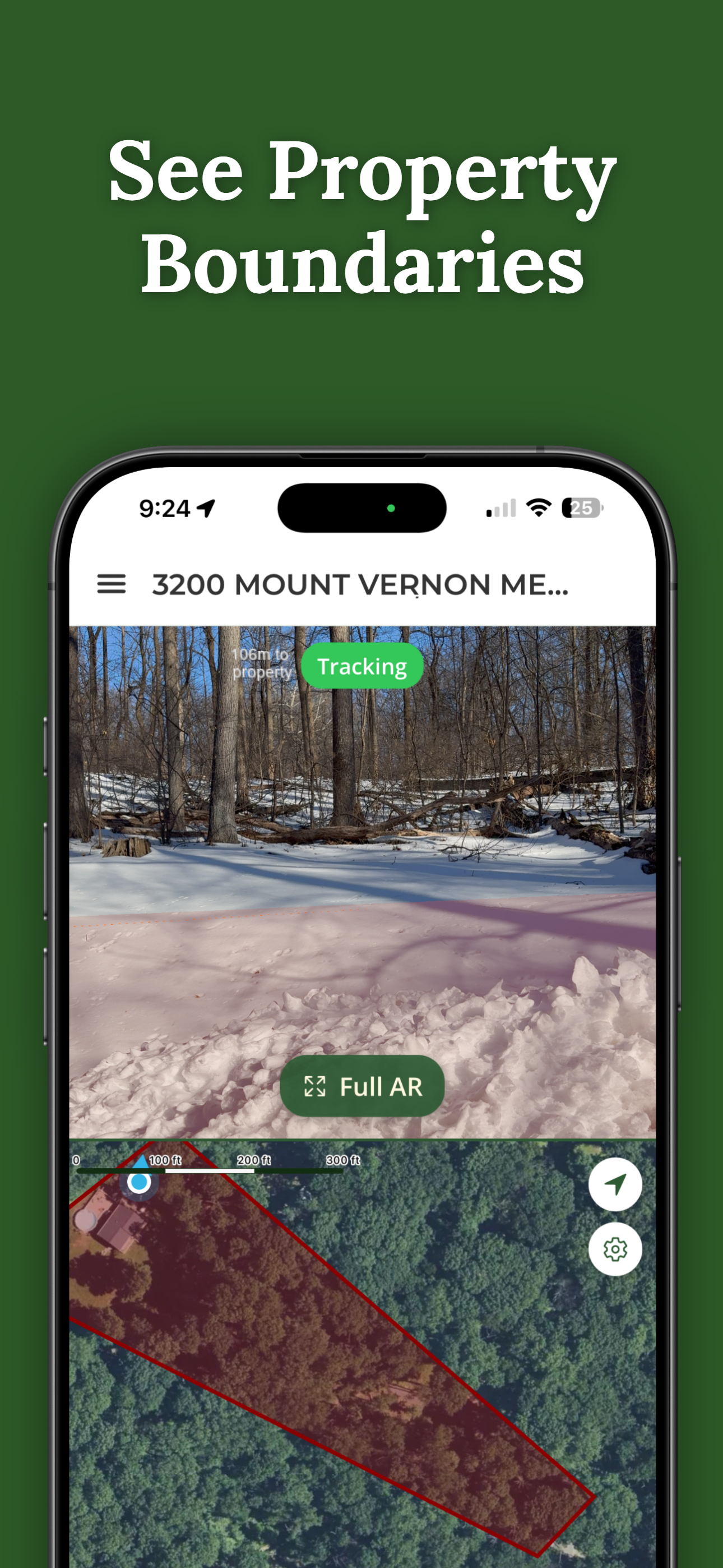
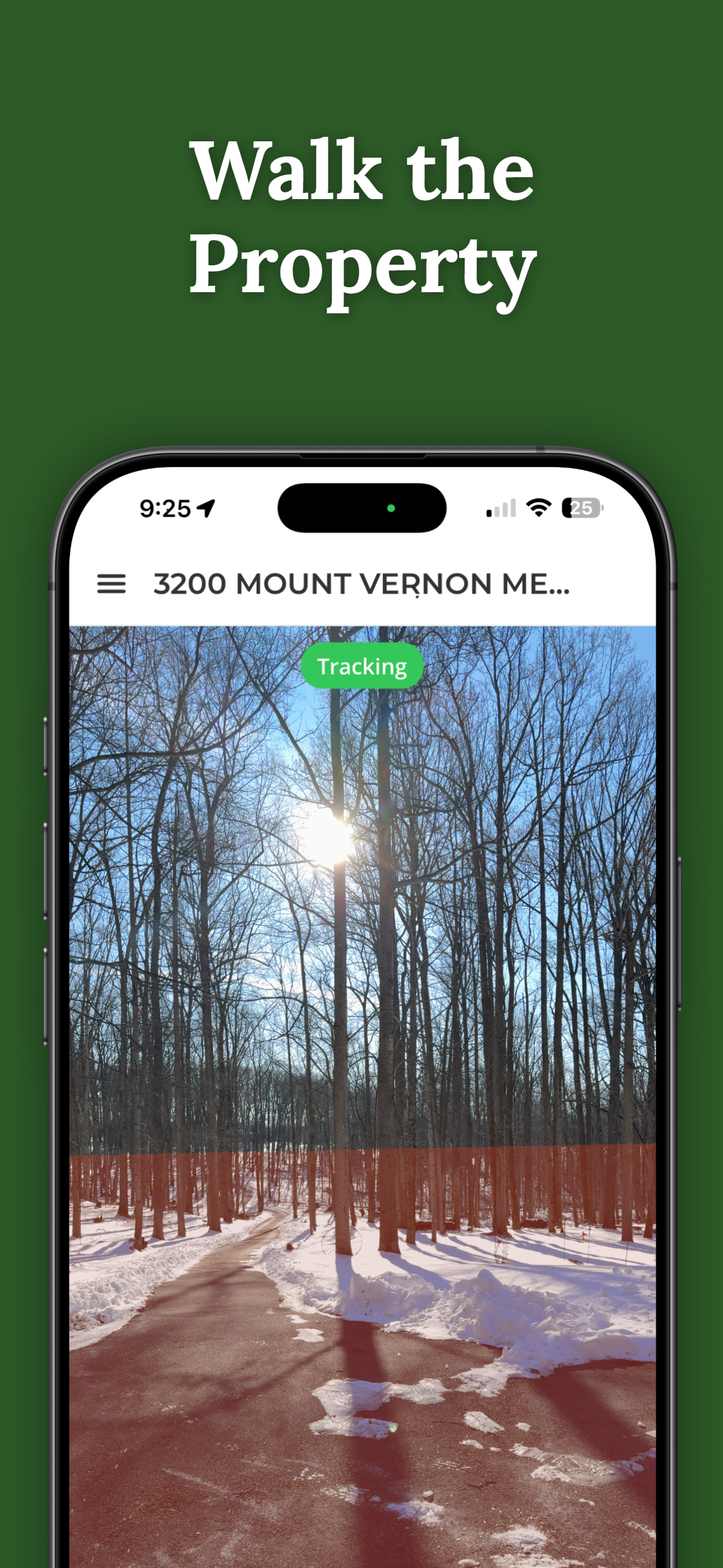
ParcelVision shows your property boundaries in augmented reality — right through your phone's camera. Walk your lines, spot encroachments early, and keep tabs on what's happening at the edges of your property.
Download ParcelVisionThis is informational content, not legal advice. Adverse possession laws vary a lot from state to state. If you're dealing with a potential adverse possession situation, talk to a licensed real estate attorney in your area.