ParcelVision
What Is an Easement on a Property?
An easement gives someone else the legal right to use a specific part of your land for a defined purpose — even though you still own it. The most common example: that strip along the edge of your yard where the power company has the right to access their lines.
You own your property. You pay the mortgage, you mow the lawn, you pay the taxes. But there might be parts of your land that other people — or companies — have the legal right to use. That's what an easement is, and it catches a lot of homeowners off guard.
Most residential properties have at least one easement on them. It's not a reason to panic, but it is something you should understand before you start making plans for a new fence, a shed, or that deck you've been dreaming about.
Easement Basics: What It Means for Your Land
An easement gives someone a specific, limited right to use part of your property — without owning it. You'll sometimes hear the legal terms "servient estate" (that's your property, the one with the easement on it) and "dominant estate" (the property or party that benefits from it).
Here's the key thing: you still own the land. An easement doesn't transfer ownership. But you can't do anything that would interfere with the easement holder's right to use that area. So if there's a utility easement running through your backyard, you own the dirt — but the utility company has every right to dig it up to fix a pipe.
Common Types of Easements
There are several kinds you might run into, and they all work a little differently.
- Utility easements are by far the most common. They let power companies, water and sewer departments, gas companies, and telecom providers install and maintain their infrastructure on your property. These usually run along the front or back edge of your lot and can be 10 to 20 feet wide.
- Access easements (ingress/egress) give someone the right to cross your property to get to theirs. This comes up a lot in rural areas where a back parcel has no direct road frontage — their only way out is across your land.
- Drainage easements let water flow across your property along a natural or engineered path. Local governments set these up to manage stormwater and keep neighborhoods from flooding.
- Conservation easements limit development to protect natural resources, wildlife, or scenic views. Landowners enter these voluntarily — usually with a land trust or government agency — and they often come with tax benefits.
- Prescriptive easements are the weird ones. Someone uses part of your land openly and continuously, without your permission, for a long enough period (5 to 20 years depending on the state), and they can gain a legal right to keep doing it. It's a cousin of adverse possession, but for use rather than ownership.
How Easements Are Created
The most straightforward way is an express easement — a written agreement between property owners that gets recorded with the county. Clean, clear, and on the record. This is how most easements happen.
An easement by necessity is created by a court when a property literally has no other way to reach a public road. If your land is completely surrounded by other people's property, the law says you've got to be able to get to it somehow.
An implied easement pops up when a property gets divided and it's obvious that one piece depends on crossing the other to function — even if nobody wrote an easement into the deed when the split happened.
And then there's the prescriptive easement, which is earned through long-term, open use without permission. These tend to get contentious because the property owner never agreed to the use in the first place.
How Easements Affect What You Can Do with Your Property
It really depends on the easement. A narrow utility easement along the far edge of your lot? You'll probably never notice it. A 20-foot access easement cutting through the middle of your yard where your neighbor drives their truck twice a day? That's going to change your plans.
The general rule: don't build permanent structures in an easement area. No fences, no sheds, no additions. If the utility company needs to dig up a sewer line that happens to run under your brand-new patio, they have the right to tear it up — and you're the one paying to fix your patio, not them.
Easements can also affect your property value. A property with a large or inconvenient easement might appraise lower than a comparable one without. Worth thinking about before you buy, and before you plan improvements.
How to Find Easements on Your Property
Here's how to figure out what easements are lurking on your land:
- Review your deed. Easements are usually described right in the deed language. Look for anything granting rights to utility companies, neighbors, or government agencies.
- Check the plat map. Subdivision plats typically show utility and drainage easements with dashed lines and labels. Your county recorder's office or county GIS website should have these.
- Get a title report. A title company will search public records and hand you a list of every recorded easement on your property. This is standard when you're buying a home — it should have been part of your closing paperwork.
- Visit the county recorder's office. Everything is public record. You can search for easement documents tied to your parcel number.
- Look around your property. Utility markers, worn footpaths, shared driveways, and drainage ditches are all clues that an easement might exist.
Can You Build on an Easement?
Technically, it depends on the specific easement terms. Practically? Don't do it. The easement holder has the right to use that space, and anything you build that gets in their way can be removed — at your expense.
Some people use easement areas for gardens, landscaping, or temporary features, and that's usually fine. But before you put anything permanent within or near an easement, read the actual easement language in your deed and check with your local building department. Plenty of municipalities won't even issue a building permit for a structure inside a recorded easement.
See Where Your Lines Are
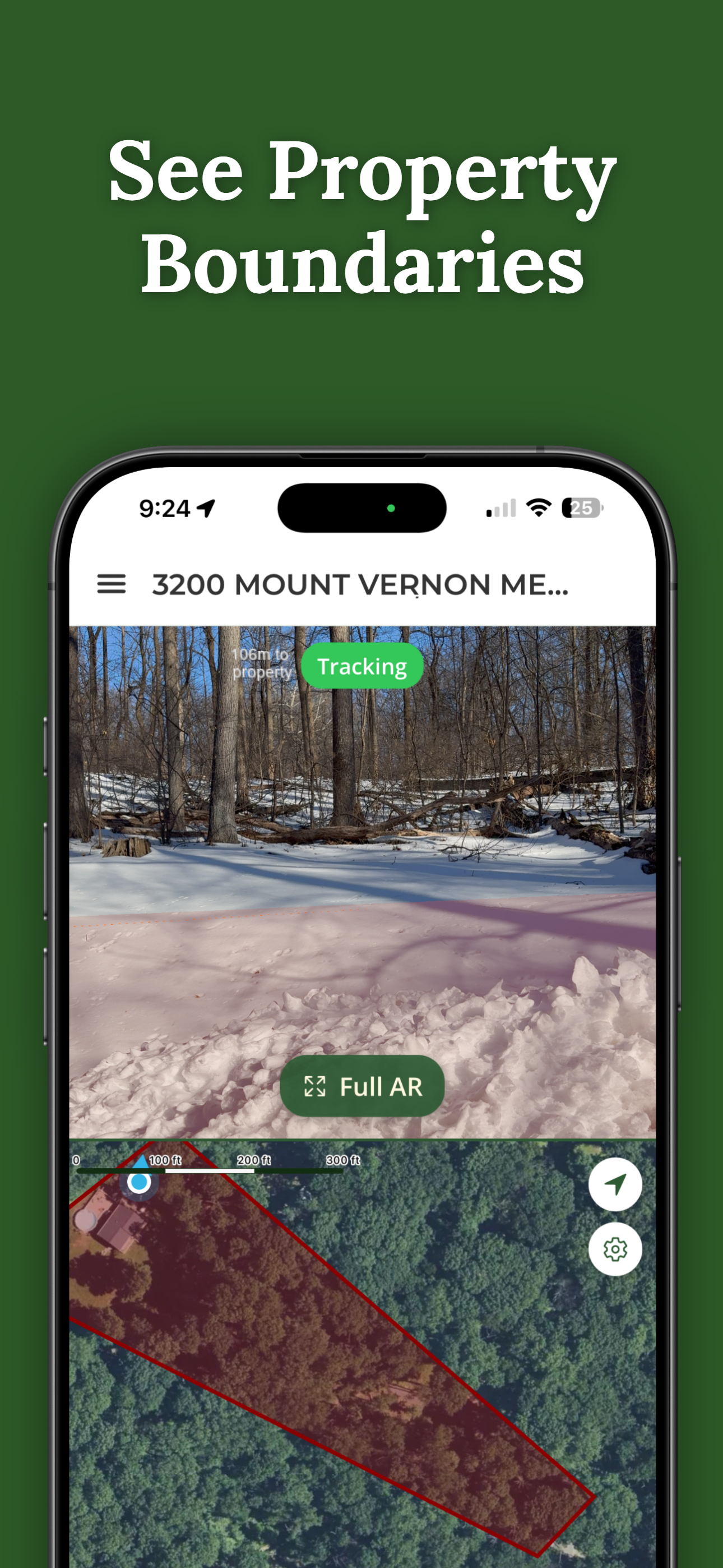
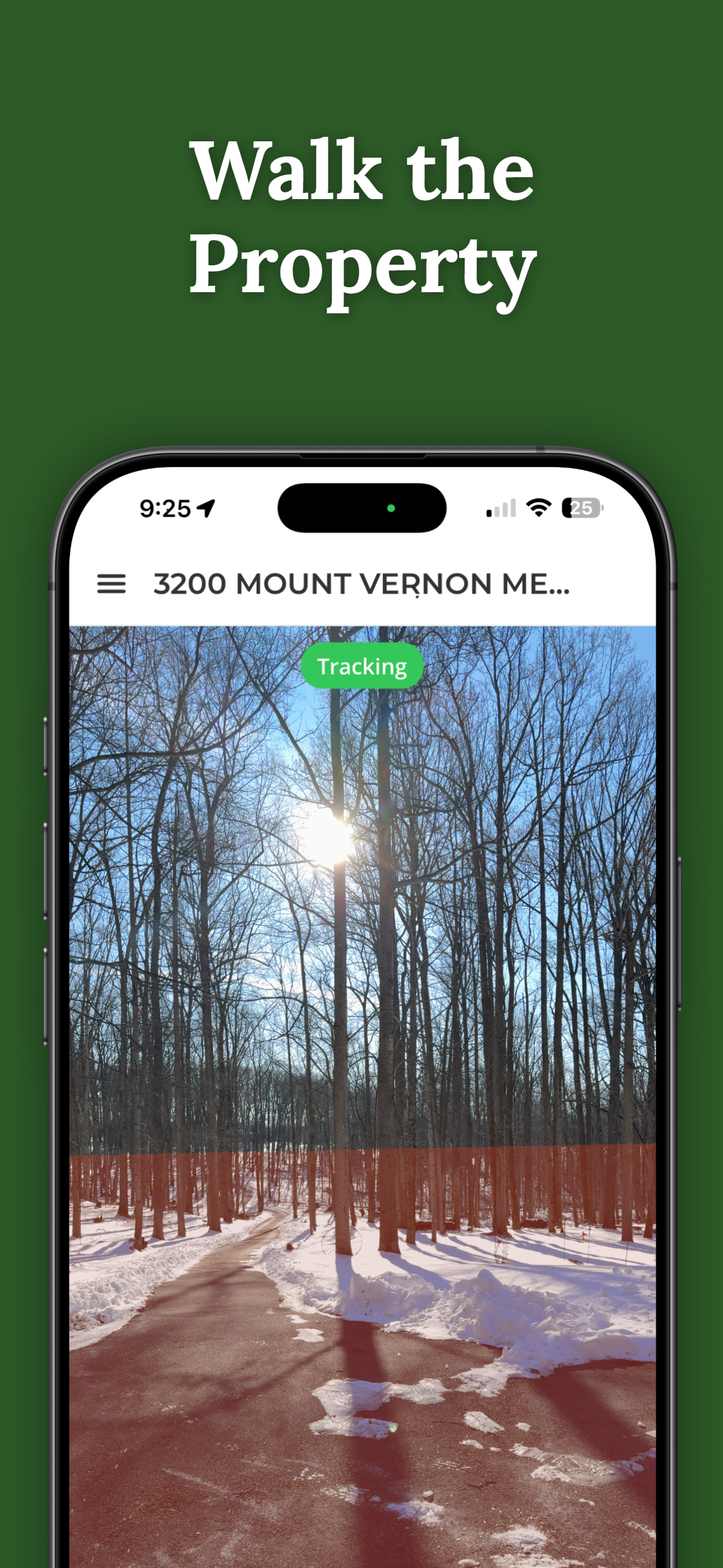
ParcelVision overlays your property boundaries in augmented reality on your iPhone. It's a quick way to see where your lot lines run in relation to the easement areas described in your deed or plat map — so you can figure out what's yours to build on and what isn't.
Download ParcelVisionThis article is for informational purposes only and isn't legal advice. Easement laws vary by state and jurisdiction. Talk to a real estate attorney for guidance on your specific situation.