Understanding property boundary laws, fence regulations, and dispute resolution in Louisiana.
Louisiana property line laws are fundamentally different from every other state because Louisiana follows a civil law system influenced by French and Spanish legal traditions rather than English common law. Instead of adverse possession, Louisiana uses acquisitive prescription. Instead of easements, it uses servitudes. Boundary fences are considered common property under the civil code. These distinctions, combined with the state's challenging bayou and wetland terrain, make Louisiana property boundary law uniquely complex.
Fence laws determine who is responsible for building and maintaining boundary fences between neighboring properties. In Louisiana, understanding these rules can prevent costly disputes with neighbors.
Louisiana follows: closed range in most parishes
Louisiana operates under a parish-option system where each parish can determine its range status. Most parishes are closed range, requiring livestock owners to contain their animals. Under Louisiana's civil law, boundary fences are considered common property of adjoining owners (La. C.C. art. 686), and both parties share the cost of construction and maintenance.
Louisiana civil law does not require formal notification before building a fence on your own property. However, for shared boundary fences, La. C.C. art. 686 establishes mutual obligations, and reasonable notice to the adjoining owner is customary before making changes to a common fence.
Louisiana does not have a specific spite fence statute. However, the civil law doctrine of abuse of rights (La. C.C. art. 667) may apply to fences built solely to harm a neighbor, as Louisiana courts have recognized that exercising a right solely to cause harm is actionable.
Adverse possession is a legal doctrine that allows someone to claim ownership of land they have occupied openly and continuously for a certain number of years. Understanding these rules is important for protecting your property rights.
Statute of Limitations: 10 years in Louisiana
Louisiana uses the civil law concept of acquisitive prescription rather than common law adverse possession. Ownership can be acquired after 10 years of continuous, uninterrupted, peaceable, public, and unequivocal possession as owner with just title and good faith (La. C.C. art. 3475). A 30-year period applies without the need for just title or good faith (La. C.C. art. 3486).
If you are a property owner in Louisiana, knowing the adverse possession period helps you understand the importance of monitoring your boundaries and addressing encroachments promptly. Regular boundary checks can help protect your ownership rights.
Timber trespass occurs when someone cuts, removes, or damages trees on another person's property without permission. Louisiana law provides significant penalties to deter this behavior and compensate affected property owners.
Penalty: double damages
La. R.S. § 3:4278.1 provides for double damages for unauthorized cutting of trees. If the trespass is willful and intentional, the court may award additional penalties. Louisiana also criminalizes timber theft.
To avoid accidental timber trespass, always verify your property boundaries before clearing trees or brush near boundary lines. Even unintentional cutting on a neighbor's land can result in significant liability.
Boundary disputes between neighbors are common and can arise from unclear property lines, encroaching structures, or conflicting surveys. Louisiana offers several paths to resolve these disagreements.
Boundary disputes in Louisiana are resolved through district court using a special action called a boundary action (La. C.C. art. 792). This civil law procedure is unique to Louisiana and allows any landowner to compel an adjoining owner to fix the boundary between their properties. Expert surveyor testimony is central to these proceedings.
Louisiana uses a petitory action (La. C.C.P. art. 3651) to establish ownership, which is similar to a quiet title action in common law states. The plaintiff must prove ownership by showing a valid chain of title or acquisitive prescription.
The best way to prevent boundary disputes is to know exactly where your property lines are. Having a clear understanding of your boundaries before issues arise saves time, money, and relationships with neighbors.
An easement grants someone the legal right to use a portion of your property for a specific purpose. Understanding the easements that affect your land is essential for knowing your full property rights.
Common easements (called servitudes in Louisiana civil law) include utility servitudes, drainage servitudes, pipeline servitudes, and rights of passage for landlocked parcels. Under La. C.C. art. 689, a landlocked owner has the right to demand a passage to the nearest public road.
Prescriptive Easement Period: 10 years in Louisiana
A prescriptive easement can be established when someone uses a portion of your property openly and continuously for the statutory period without your permission. Like adverse possession, monitoring your property boundaries regularly can help prevent prescriptive easement claims.
Knowing your exact property lines is the foundation of protecting your rights under Louisiana law. Here are the most common ways to determine where your boundaries are:
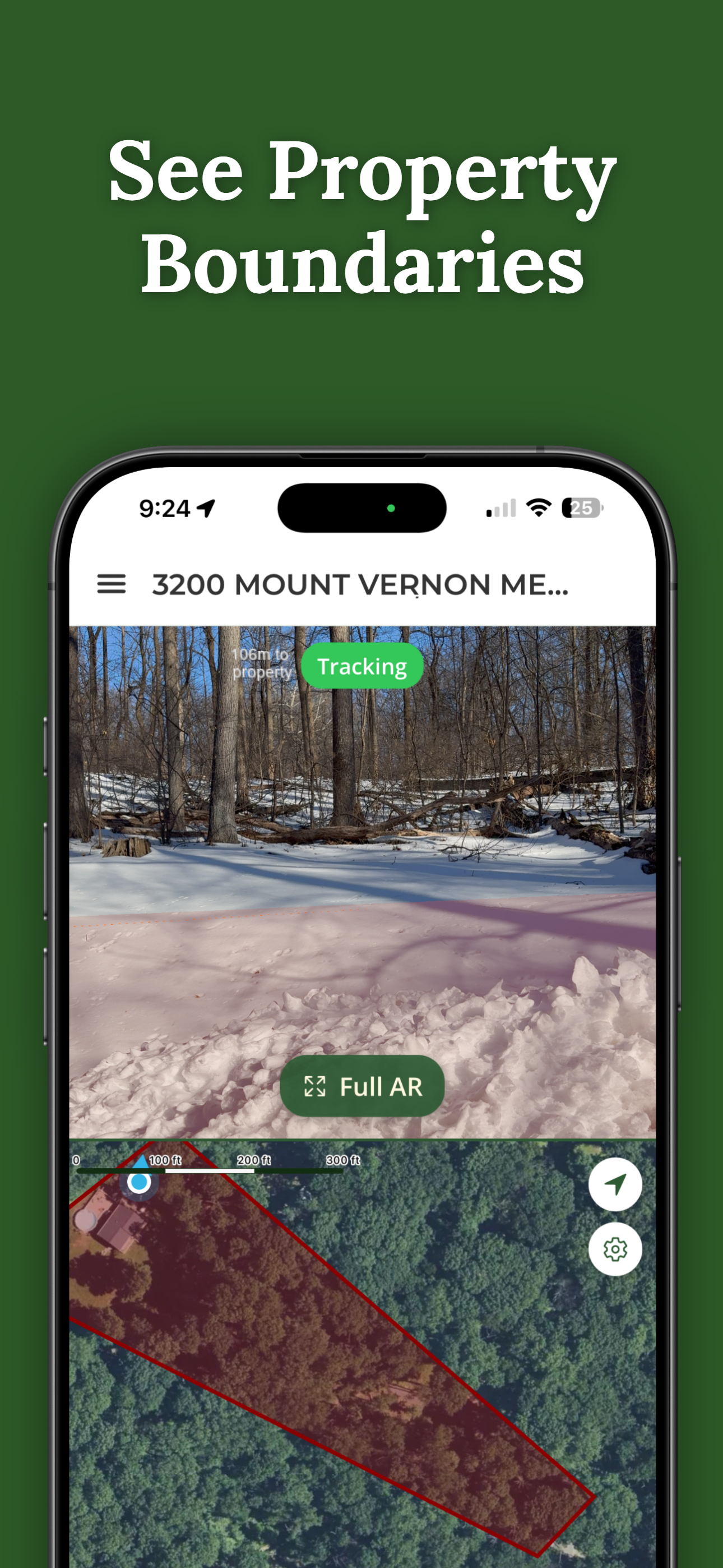
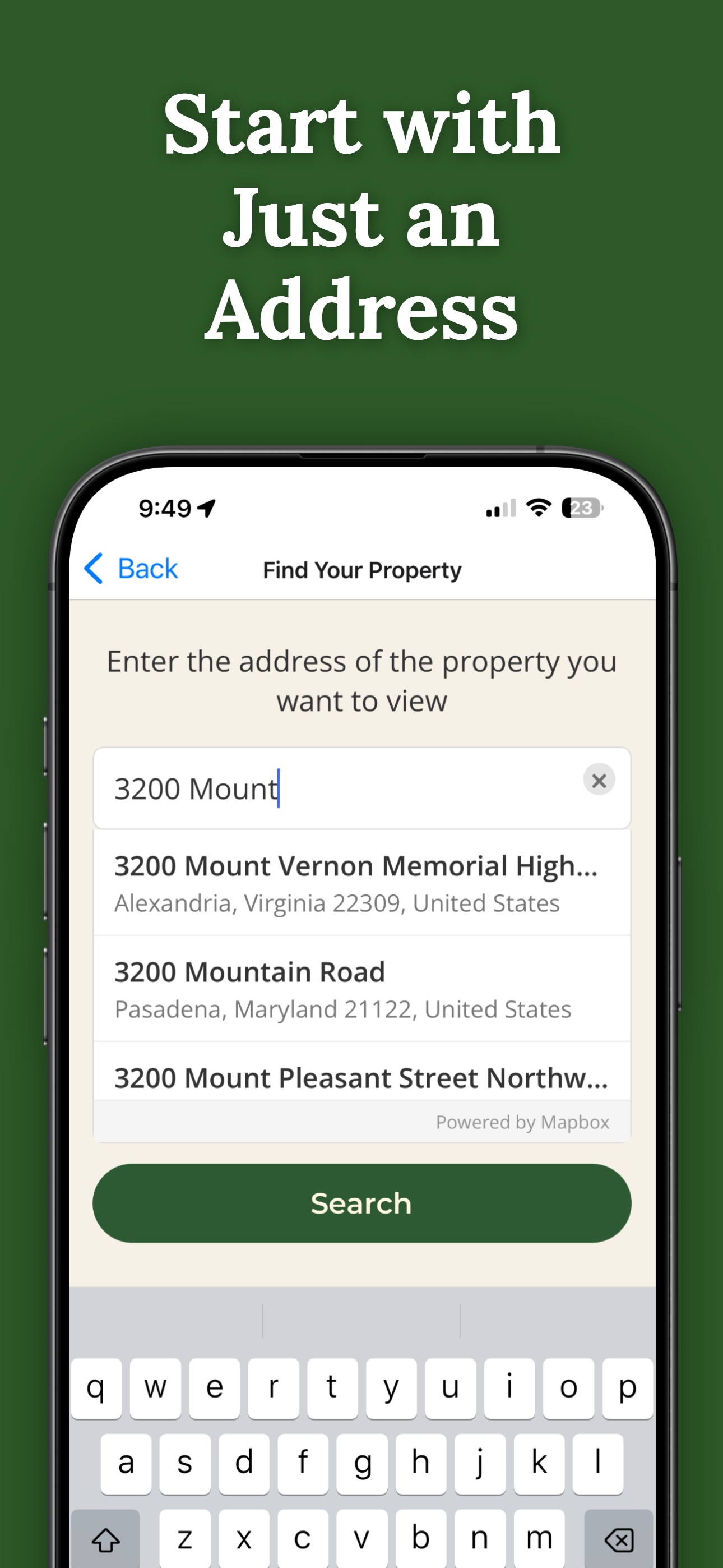
Before spending hundreds on a survey, use ParcelVision to see your property lines in augmented reality on your iPhone. Search any address in Louisiana and walk your boundaries in minutes.
Download ParcelVision — $14.99/PropertyThis page is for informational purposes only and does not constitute legal advice. Property laws vary by jurisdiction and may change. Consult a licensed attorney in Louisiana for legal guidance on property boundary matters.
Acquisitive prescription is Louisiana's civil law equivalent of adverse possession. With just title and good faith, ownership can be acquired after 10 years of possession. Without just title, the period extends to 30 years. This is governed by Louisiana's Civil Code rather than common law.
Under La. R.S. § 3:4278.1, you can recover double damages for unauthorized tree cutting. If the trespass was willful and intentional, additional penalties may apply. Louisiana also treats timber theft as a criminal offense.
Louisiana has a unique civil law procedure called a boundary action that allows any landowner to compel an adjoining owner to fix the boundary between their properties. This is distinct from the common law quiet title process used in other states and is governed by the Louisiana Civil Code.
Download ParcelVision, search any address, and see boundary lines on the ground in minutes.
Download ParcelVision ParcelVision