Understanding property boundary laws, fence regulations, and dispute resolution in Nevada.
Nevada property line laws must account for the fact that approximately 85% of the state is federally owned, meaning most private parcels border vast stretches of Bureau of Land Management or Forest Service land. As a statewide open-range state, fences do not necessarily correspond to legal boundaries. The desert landscape preserves metal survey markers well but makes them nearly impossible to locate visually in featureless terrain. Boundary disputes in Nevada often involve water rights and access across federal land.
Fence laws determine who is responsible for building and maintaining boundary fences between neighboring properties. In Nevada, understanding these rules can prevent costly disputes with neighbors.
Nevada follows: open range statewide
Nevada is a statewide open-range state under NRS § 568.350 et seq. Livestock can roam freely, and property owners who want to keep animals out must build and maintain their own fences. Fence-out requirements apply throughout the state, including rural and semi-rural areas near cities.
Nevada does not require notification before fence construction. In the open-range context, the burden of building and maintaining fences falls entirely on landowners seeking to exclude livestock.
Nevada does not have a specific spite fence statute. Local zoning ordinances in Clark County (Las Vegas) and Washoe County (Reno) impose height restrictions that effectively limit fence construction, and general nuisance principles may apply.
Adverse possession is a legal doctrine that allows someone to claim ownership of land they have occupied openly and continuously for a certain number of years. Understanding these rules is important for protecting your property rights.
Statute of Limitations: 15 years in Nevada
Claimant must demonstrate actual, open, notorious, continuous, hostile, and exclusive possession for 15 years. Nevada also requires that the claimant have paid all taxes assessed against the property during the possession period (NRS § 11.150). Without tax payment, the period is 15 years under claim of right.
If you are a property owner in Nevada, knowing the adverse possession period helps you understand the importance of monitoring your boundaries and addressing encroachments promptly. Regular boundary checks can help protect your ownership rights.
Timber trespass occurs when someone cuts, removes, or damages trees on another person's property without permission. Nevada law provides significant penalties to deter this behavior and compensate affected property owners.
Penalty: double damages
NRS § 40.160 provides for double damages for willful trespass involving injury to or removal of timber and trees from another's land. Given Nevada's arid landscape, timber trespass claims are less common than in forested states.
To avoid accidental timber trespass, always verify your property boundaries before clearing trees or brush near boundary lines. Even unintentional cutting on a neighbor's land can result in significant liability.
Boundary disputes between neighbors are common and can arise from unclear property lines, encroaching structures, or conflicting surveys. Nevada offers several paths to resolve these disagreements.
Boundary disputes in Nevada are resolved through district court. Nevada recognizes the doctrines of boundary by acquiescence and agreed boundary. Many disputes involve private parcels bordered by vast stretches of BLM or Forest Service land.
Quiet title actions are filed in district court under NRS § 40.010. Given the prevalence of federal land, some disputes involve both state courts and federal agencies.
The best way to prevent boundary disputes is to know exactly where your property lines are. Having a clear understanding of your boundaries before issues arise saves time, money, and relationships with neighbors.
An easement grants someone the legal right to use a portion of your property for a specific purpose. Understanding the easements that affect your land is essential for knowing your full property rights.
Common easements in Nevada include utility easements, mining access easements, water rights easements, and BLM access easements. Because roughly 85% of Nevada is federally owned, easements for access across federal land to reach private parcels are particularly significant.
Prescriptive Easement Period: 5 years in Nevada
A prescriptive easement can be established when someone uses a portion of your property openly and continuously for the statutory period without your permission. Like adverse possession, monitoring your property boundaries regularly can help prevent prescriptive easement claims.
Knowing your exact property lines is the foundation of protecting your rights under Nevada law. Here are the most common ways to determine where your boundaries are:
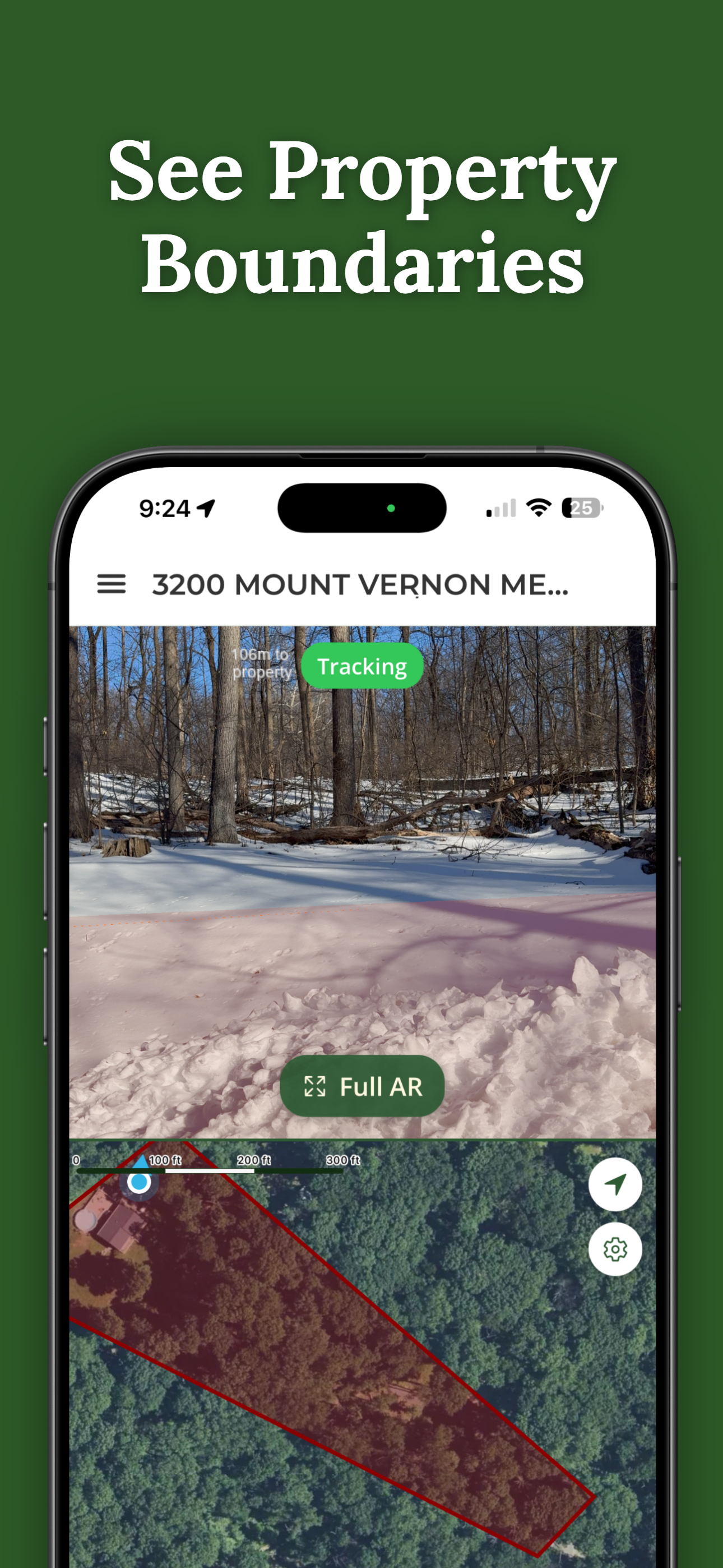
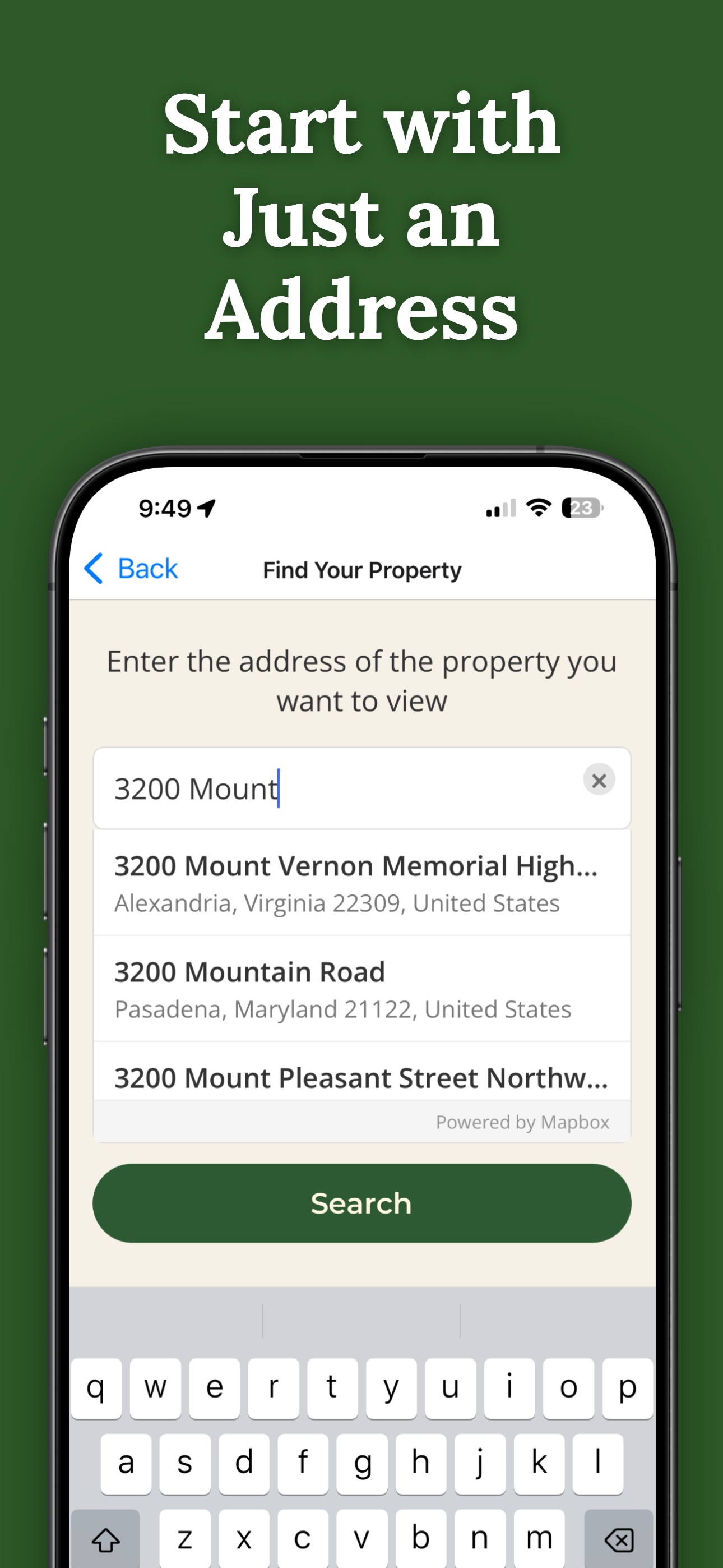
Before spending hundreds on a survey, use ParcelVision to see your property lines in augmented reality on your iPhone. Search any address in Nevada and walk your boundaries in minutes.
Download ParcelVision — $14.99/PropertyThis page is for informational purposes only and does not constitute legal advice. Property laws vary by jurisdiction and may change. Consult a licensed attorney in Nevada for legal guidance on property boundary matters.
Nevada requires 15 years of actual, open, notorious, continuous, hostile, and exclusive possession. If the claimant can show tax payment during the possession period, it significantly strengthens the claim.
Nevada's statewide open-range law means livestock can roam freely across unfenced land. If you want to keep cattle or other livestock off your property, you must build and maintain your own fence at your own expense.
With approximately 85% of Nevada being federally owned, many private parcels share boundaries with BLM or Forest Service land. Access easements across federal land may be needed to reach private parcels, and boundary surveys must reference federal survey monuments.
Download ParcelVision, search any address, and see boundary lines on the ground in minutes.
Download ParcelVision ParcelVision