Understanding property boundary laws, fence regulations, and dispute resolution in New York.
New York property line laws underwent significant reform in 2008, tightening adverse possession requirements and adding new protections for property owners. The state ranges from some of the most valuable urban real estate in the world to vast Adirondack wilderness, creating an enormous range of boundary challenges. New York's fence viewer system, similar to New England traditions, provides a non-judicial process for resolving partition fence disputes.
Fence laws determine who is responsible for building and maintaining boundary fences between neighboring properties. In New York, understanding these rules can prevent costly disputes with neighbors.
New York follows: closed range statewide
New York is a closed-range state. The state has partition fence statutes (Agriculture and Markets Law § 300 et seq.) that require adjoining agricultural landowners to maintain their respective portions of shared boundary fences. Town fence viewers can be appointed to resolve disputes over fence obligations.
Under New York's fence viewer system, a landowner can petition the town to appoint fence viewers who will determine each owner's responsibility for maintaining shared boundary fences. This process provides formal notice to the adjacent owner.
New York does not have a specific spite fence statute, but courts have applied the private nuisance doctrine to fences erected solely with malicious intent. Excessive height or deliberate obstruction of light and air may be actionable.
Adverse possession is a legal doctrine that allows someone to claim ownership of land they have occupied openly and continuously for a certain number of years. Understanding these rules is important for protecting your property rights.
Statute of Limitations: 10 years in New York
Claimant must demonstrate actual, open, notorious, continuous, hostile, and exclusive possession for 10 years. New York's 2008 reforms (RPAPL § 501 et seq.) significantly tightened adverse possession requirements, adding that the claim must be based on a reasonable basis for belief of ownership and cannot be based on permissive use.
If you are a property owner in New York, knowing the adverse possession period helps you understand the importance of monitoring your boundaries and addressing encroachments promptly. Regular boundary checks can help protect your ownership rights.
Timber trespass occurs when someone cuts, removes, or damages trees on another person's property without permission. New York law provides significant penalties to deter this behavior and compensate affected property owners.
Penalty: triple damages
RPAPL § 861 provides for treble damages for willful or negligent cutting or removal of timber from another person's land. Stumpage value is used as the baseline for calculating damages.
To avoid accidental timber trespass, always verify your property boundaries before clearing trees or brush near boundary lines. Even unintentional cutting on a neighbor's land can result in significant liability.
Boundary disputes between neighbors are common and can arise from unclear property lines, encroaching structures, or conflicting surveys. New York offers several paths to resolve these disagreements.
Boundary disputes are resolved through the Supreme Court (New York's trial-level court of general jurisdiction). The 2008 reforms to adverse possession law significantly changed how boundary disputes involving long-term encroachments are handled. Courts consider survey evidence, acquiescence, and deed descriptions.
Quiet title actions are filed in Supreme Court under RPAPL Article 15. All parties with a potential interest must be joined, and a lis pendens must be filed to provide public notice of the pending action.
The best way to prevent boundary disputes is to know exactly where your property lines are. Having a clear understanding of your boundaries before issues arise saves time, money, and relationships with neighbors.
An easement grants someone the legal right to use a portion of your property for a specific purpose. Understanding the easements that affect your land is essential for knowing your full property rights.
Common easements in New York include utility easements, private road easements, lake and waterfront access easements, agricultural drainage easements, and conservation easements. In New York City, light and air easements are particularly important.
Prescriptive Easement Period: 10 years in New York
A prescriptive easement can be established when someone uses a portion of your property openly and continuously for the statutory period without your permission. Like adverse possession, monitoring your property boundaries regularly can help prevent prescriptive easement claims.
Knowing your exact property lines is the foundation of protecting your rights under New York law. Here are the most common ways to determine where your boundaries are:
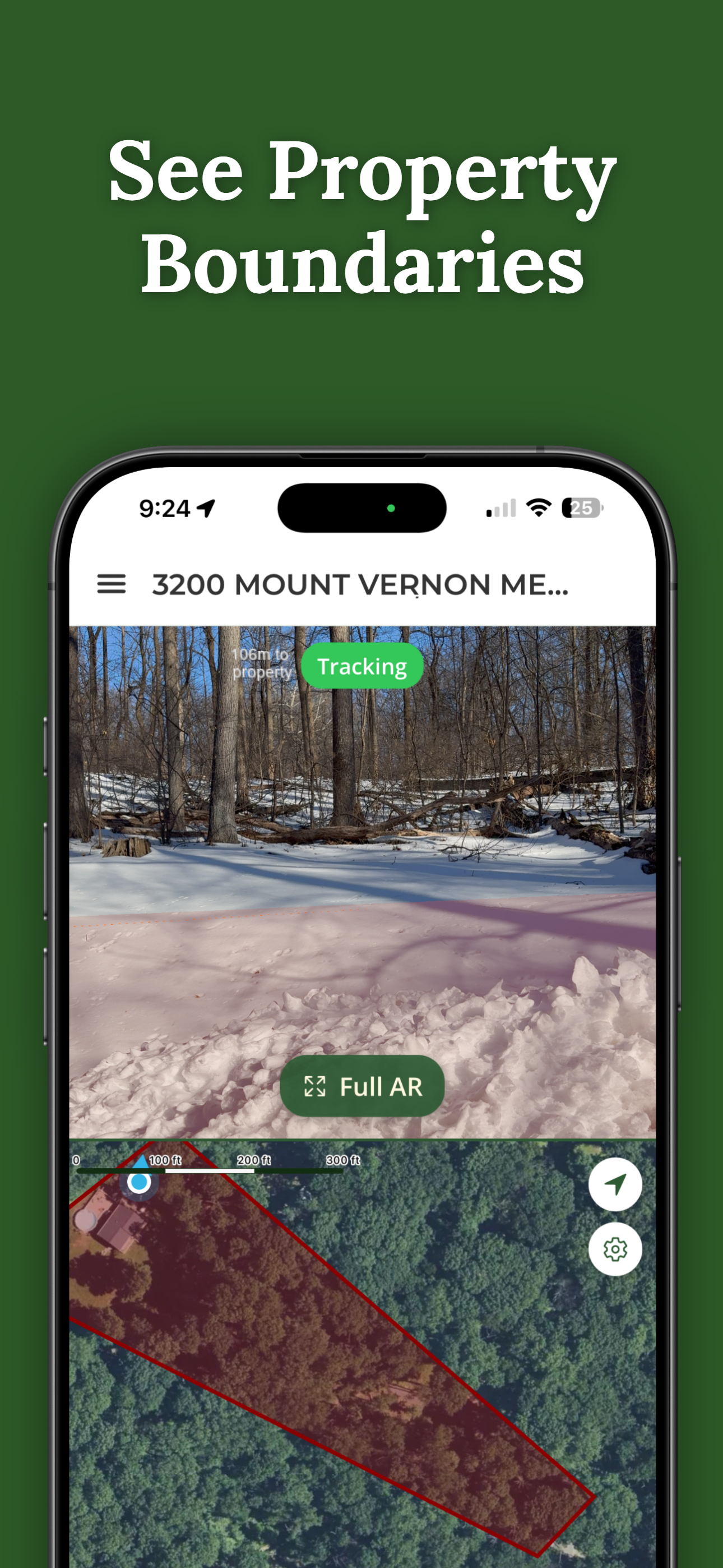
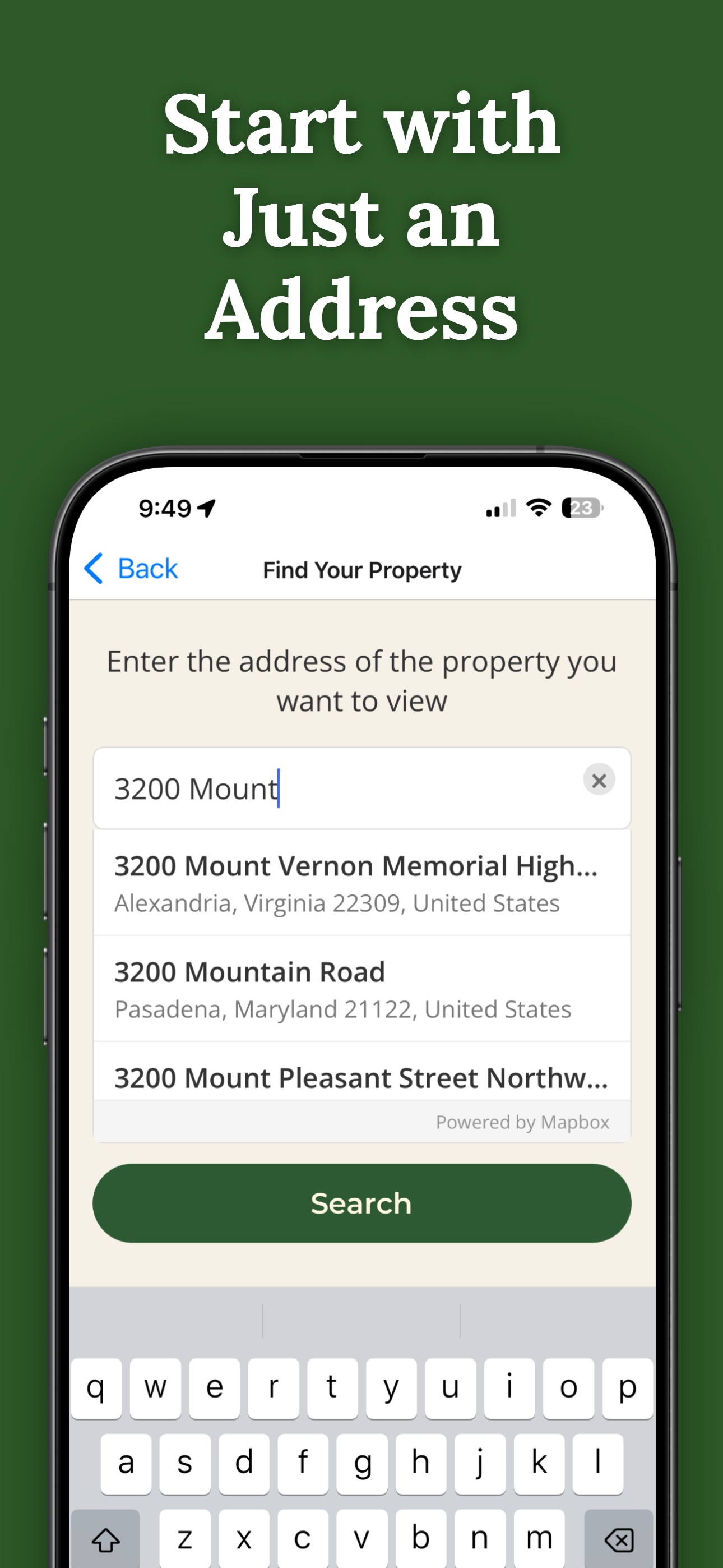
Before spending hundreds on a survey, use ParcelVision to see your property lines in augmented reality on your iPhone. Search any address in New York and walk your boundaries in minutes.
Download ParcelVision — $14.99/PropertyThis page is for informational purposes only and does not constitute legal advice. Property laws vary by jurisdiction and may change. Consult a licensed attorney in New York for legal guidance on property boundary matters.
The 2008 reforms require adverse possessors to have a reasonable basis for their belief of ownership and prohibit claims based on knowing trespass. This made it significantly harder to claim property through adverse possession in New York.
Under RPAPL § 861, you can recover treble (triple) damages for willful or negligent timber cutting on your property. Damages are calculated based on the stumpage value of the timber removed.
While the same state laws apply, NYC boundary disputes typically involve encroachments measured in inches on high-value lots, while upstate disputes may involve acres of rural or wooded land. Both are resolved through Supreme Court, but the practical challenges differ enormously.
Download ParcelVision, search any address, and see boundary lines on the ground in minutes.
Download ParcelVision ParcelVision