Understanding property boundary laws, fence regulations, and dispute resolution in Tennessee.
Tennessee property line laws vary as dramatically as the state's terrain, which stretches from the Great Smoky Mountains in the east to the Mississippi River bluffs in the west. The 7-year adverse possession period with color of title is one of the shortest in the country. Boundary disputes frequently involve old timber lines in Appalachian forests, historic farm boundaries in Middle Tennessee, and creek-based property descriptions that shift over time.
Fence laws determine who is responsible for building and maintaining boundary fences between neighboring properties. In Tennessee, understanding these rules can prevent costly disputes with neighbors.
Tennessee follows: closed range statewide
Tennessee is a closed-range state, meaning livestock owners must keep their animals fenced in. Adjoining landowners may share the cost of partition fences under Tennessee's common law traditions. Local ordinances may impose additional requirements in urban and suburban areas.
Tennessee does not have a specific statewide statute requiring notice before building a fence. Local building codes and zoning ordinances in municipalities may require permits and neighbor notification for certain fence heights or types.
Tennessee does not have a specific spite fence statute. However, courts have addressed malicious fence construction under general nuisance doctrines and may order removal if a fence serves no legitimate purpose.
Adverse possession is a legal doctrine that allows someone to claim ownership of land they have occupied openly and continuously for a certain number of years. Understanding these rules is important for protecting your property rights.
Statute of Limitations: 7 years in Tennessee
Claimant must demonstrate actual, open, notorious, continuous, exclusive, and hostile possession for 7 years under color of title, or 20 years without color of title. Tennessee's relatively short statutory period with color of title makes timely action important for property owners.
If you are a property owner in Tennessee, knowing the adverse possession period helps you understand the importance of monitoring your boundaries and addressing encroachments promptly. Regular boundary checks can help protect your ownership rights.
Timber trespass occurs when someone cuts, removes, or damages trees on another person's property without permission. Tennessee law provides significant penalties to deter this behavior and compensate affected property owners.
Penalty: triple damages
Tenn. Code § 28-2-104 and § 43-28-312 provide for treble damages for willful and intentional cutting of timber on another's land. Stumpage value is the baseline for calculating damages.
To avoid accidental timber trespass, always verify your property boundaries before clearing trees or brush near boundary lines. Even unintentional cutting on a neighbor's land can result in significant liability.
Boundary disputes between neighbors are common and can arise from unclear property lines, encroaching structures, or conflicting surveys. Tennessee offers several paths to resolve these disagreements.
Boundary disputes in Tennessee are resolved through chancery court or circuit court. The doctrine of acquiescence is recognized, meaning boundaries accepted by neighbors over many years may be upheld. Survey evidence and deed descriptions carry significant weight.
A quiet title action in Tennessee is filed in chancery court in the county where the property is located. All known adverse claimants must be served, and constructive notice by publication is required for unknown parties.
The best way to prevent boundary disputes is to know exactly where your property lines are. Having a clear understanding of your boundaries before issues arise saves time, money, and relationships with neighbors.
An easement grants someone the legal right to use a portion of your property for a specific purpose. Understanding the easements that affect your land is essential for knowing your full property rights.
Common easements in Tennessee include utility easements, road access easements, drainage easements, and timber haul roads. Conservation easements are popular in rural areas, particularly for protecting farmland and Appalachian forest land.
Prescriptive Easement Period: 20 years in Tennessee
A prescriptive easement can be established when someone uses a portion of your property openly and continuously for the statutory period without your permission. Like adverse possession, monitoring your property boundaries regularly can help prevent prescriptive easement claims.
Knowing your exact property lines is the foundation of protecting your rights under Tennessee law. Here are the most common ways to determine where your boundaries are:
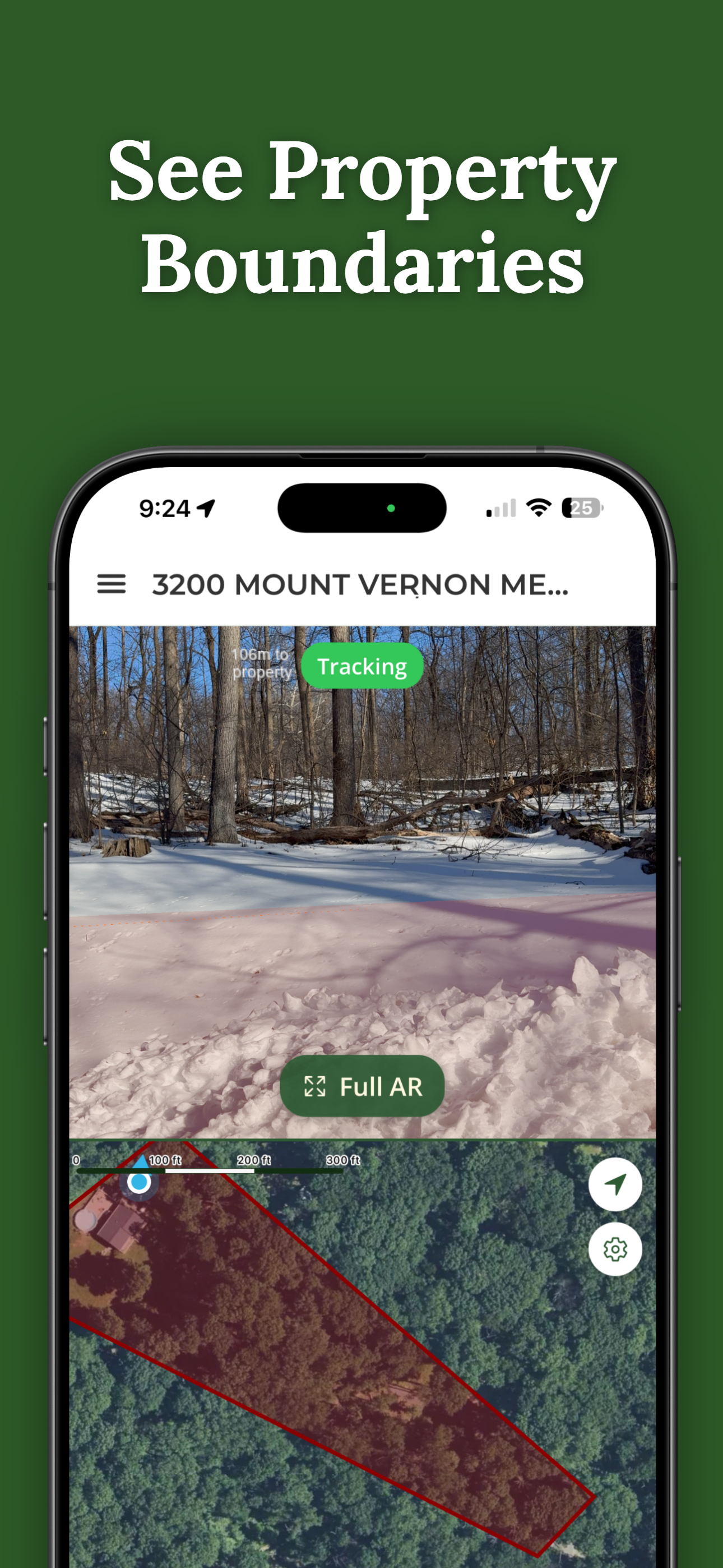
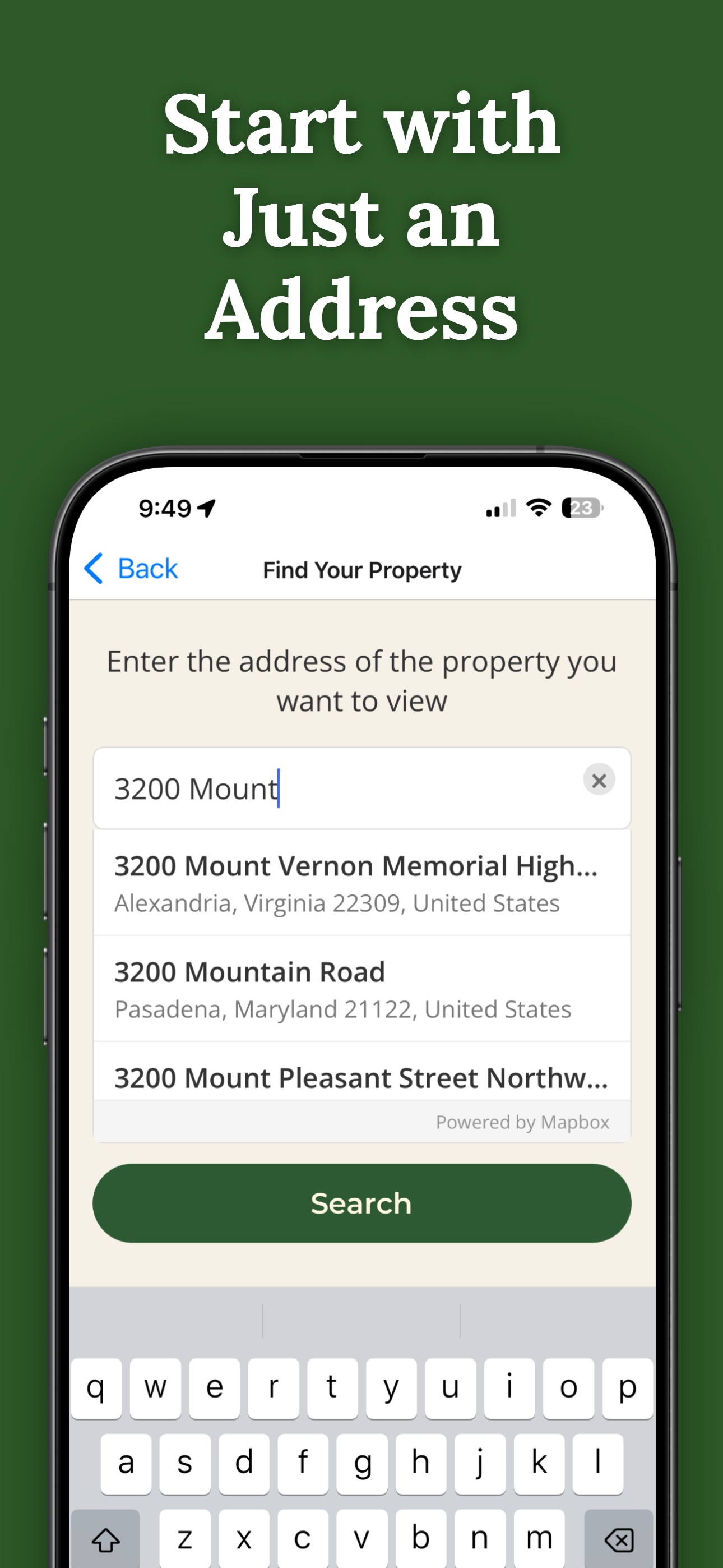
Before spending hundreds on a survey, use ParcelVision to see your property lines in augmented reality on your iPhone. Search any address in Tennessee and walk your boundaries in minutes.
Download ParcelVision — $14.99/PropertyThis page is for informational purposes only and does not constitute legal advice. Property laws vary by jurisdiction and may change. Consult a licensed attorney in Tennessee for legal guidance on property boundary matters.
Tennessee requires 7 years of actual, open, notorious, continuous, exclusive, and hostile possession when the claimant holds color of title. Without color of title, the period extends to 20 years of continuous possession.
No. Tennessee is a closed-range state, meaning livestock owners are responsible for keeping their animals fenced in. If a neighbor's livestock damages your property, the owner is generally liable for the harm caused.
Start by hiring a licensed surveyor to determine the legal boundary. If the dispute persists, you can file suit in chancery court or circuit court. Tennessee courts recognize the doctrine of acquiescence, which may uphold long-accepted boundary lines even if they differ from the surveyed line.
Download ParcelVision, search any address, and see boundary lines on the ground in minutes.
Download ParcelVision ParcelVision